

logo
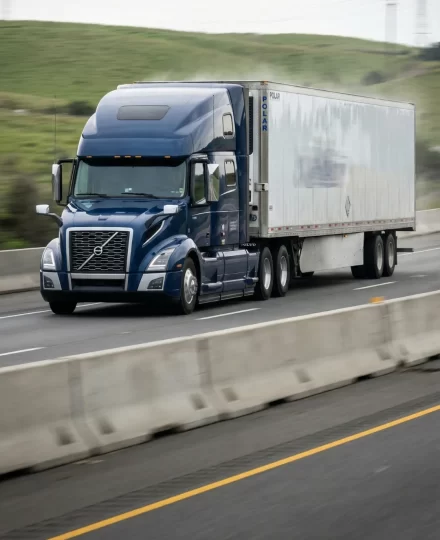
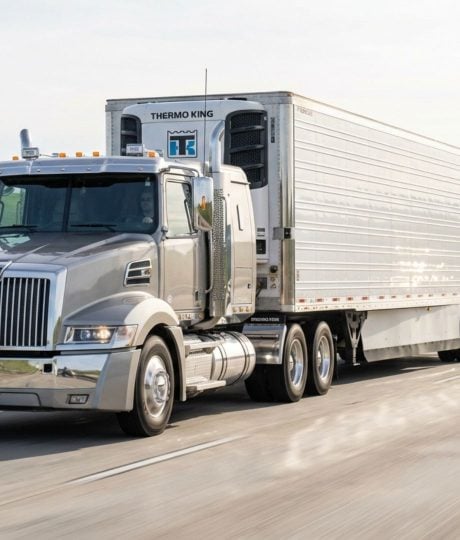
Volvo VNL 860 semi-truck driving on an American highway, hauling a long refrigerated trailer. The truck is captured in motion, traveling at highway speed.
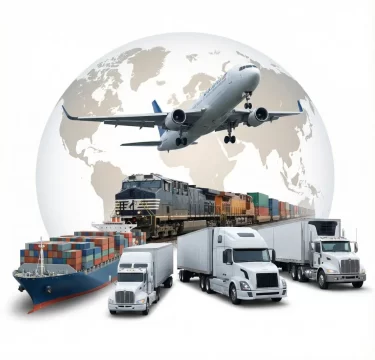
Logistic graphic with different transportation vehicles
dot-1

Full Truckload (FTL) Shipping


Full Truckload (FTL) transportation assigns a dedicated trailer to a single shipment for direct, point-to-point delivery. Unlike Less-Than-Truckload (LTL) shipping, which consolidates freight from multiple shippers into one vehicle, FTL provides exclusive use of the trailer capacity to ensure maximum security and transit speed. Dedicated transport eliminates the sorting and cross-docking required in consolidated networks. This absence of mid-transit handling significantly reduces the risk of cargo damage.

Paige Logistics manages FTL transportation for high-volume commercial freight across Canada and the United States. This service utilizes 53-foot dry vans and refrigerated trailers to move up to 26 pallets or 45,000 pounds of goods. Direct routing is the primary solution for time-critical shipments on major lanes like Vancouver to Winnipeg and cross-border deliveries into the U.S.A. Maintaining the trailer seal from the point of origin to the final destination ensures the integrity of high-value and sensitive cargo throughout the supply chain.
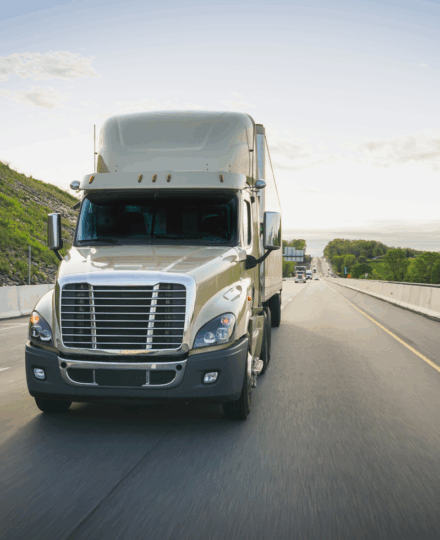
Front view of a white aerodynamic semi-truck driving on a multi-lane highway, with chrome grille and side mirrors visible, rolling through a semi-rural landscape with grassy embankments and trees under a bright, lightly cloudy sky.
Logistic graphic with different transportation vehicles
dot-1

What is Full Truckload (FTL) Shipping?


Full Truckload (FTL) shipping involves the exclusive use of a single trailer for one shipment from origin to destination. FTL provides a dedicated 53-foot trailer for a single client. Unlike LTL shipping, which requires consolidating freight from multiple shippers, dedicated truckload transport eliminates mid-transit stops and hub transfers. The absence of additional handling reduces the risk of cargo damage. It ensures faster transit times for high-volume freight.

Why Choose FTL Over LTL?

FTL is the standard solution for shipments exceeding 10 standard pallets or 15,000 pounds. Choosing dedicated transport provides specific operational benefits.

  • Direct Transit Speed: Freight moves on a non-stop route from the shipper to the receiver without terminal delays.
  • Direct Transit Speed: Freight moves on a non-stop route from the shipper to the receiver without terminal delays.
  • Unit Cost Efficiency: Large-scale shipments benefit from a lower cost-per-pallet rate when compared to consolidated services.
  • Unit Cost Efficiency: Large-scale shipments benefit from a lower cost-per-pallet rate when compared to consolidated services.

If you’re shipping more than 10 pallets or 15,000 lbs, FTL is the go-to option.

Types of Truckload Shipping Services

Selecting the appropriate trailer type depends on the technical requirements of the cargo, including total weight, dimensions, and environmental sensitivity. Unlike [Less-Than-Truckload (LTL) shipping], where diverse cargo types share a single trailer, FTL allows for the deployment of specialized equipment tailored to a single commodity. This dedicated approach ensures that the vehicle’s specific features—such as climate control or deck strength—are optimized for the load.

The standard for non-perishable commercial freight. These enclosed trailers protect goods from external elements and are equipped with wood-hardwood floors to support pallet jacks and forklifts. They typically accommodate up to 26 standard pallets and 45,000 pounds of general merchandise, appliances, or clothing.

Specialized trailers for oversized, heavy, or irregularly shaped cargo that cannot be loaded through standard trailer doors. Flat decks are utilized for machinery, steel, and construction materials. This equipment allows for crane loading from the top or side-loading for over-dimensional freight.

Climate-controlled trailers designed to maintain specific internal temperatures throughout the transit cycle. These units are equipped with independent refrigeration systems to protect the integrity of food products, pharmaceuticals, and temperature-sensitive chemicals. Unlike standard dry vans, reefers utilize insulated walls and floor grooves to maintain consistent airflow and “cold chain” compliance.

Refrigerated Trucking (2)
cropped-Paige-Logistics-9.png
dot-1 dot-1
world-globe-orange

The Best Worldwide shipping Management

over 100 years of Global experience

support-bg-element-4 support-bg-element-5
img

How Paige Logistics Delivers FTL Excellence

Paige Logistics manages a North American carrier network specializing in domestic and cross-border freight. As a member of the Canadian International Freight Forwarders Association (CIFFA) since 2013, the company provides technical oversight for high-volume commercial shipments. Logistics strategies focus on maximizing supply chain efficiency through direct routing and specialized equipment deployment.

Industry-Leading North American Carrier Network

Freight lanes cover major industrial corridors across Canada and the United States. This includes high-traffic routes between Toronto, Vancouver, Texas, and Virginia. Every carrier within the network undergoes a verification process to ensure compliance with safety and insurance standards. Direct lane management reduces transit time by eliminating the need for freight consolidation at regional terminals.

Standardized Pricing Structure

Freight quotes are generated based on current market data and technical shipment requirements. The [online freight calculator] provides line-haul rates and fuel surcharges based on the specific mileage and equipment type. This transparent billing model ensures that all costs are disclosed before the shipment is dispatched. Shippers receive accurate financial data to maintain lean logistics budgets.

Real-Time Logistics Management

Operations teams monitor cargo status 24 hours a day to maintain delivery schedules. This active tracking allows for immediate adjustments to routing or scheduling in response to border delays or weather conditions. Logistics professionals provide direct communication and status updates throughout the transit cycle. This level of oversight ensures that high-value and time-sensitive cargo remains secure from origin to destination.

Specialized Equipment Deployment

Logistics solutions are built around specific cargo requirements. This includes the use of 53-foot dry vans for general freight and refrigerated units for temperature-sensitive products. For oversized or irregularly shaped cargo, the fleet includes flat decks, RGNs, and Conestoga trailers. Each vehicle is selected to match the weight, dimensions, and handling needs of the specific commodity.

Industry Certification and Standards

Membership in CIFFA signifies adherence to international freight forwarding standards and professional ethics. This certification ensures that all documentation and cargo handling procedures meet North American regulatory requirements. Shippers benefit from the technical expertise of a brokerage with over a decade of hands-on experience in the transportation industry.

How FTL Compares to LTL

FeatureFTL (Full Truckload)LTL (Less Than Truckload)
Shipment SizeLarge (entire truck)Small (shared with others)
Transit TimeFaster (direct route)Slower (multiple stops)
Risk of DamageLower (minimal handling)Higher (multiple touchpoints)
Cost EfficiencyMore cost-effective for high-volumeBetter for small shipments
Global logistics illustration showing a fleet of freight trucks driving forward beneath a flying cargo airplane, overlaid with a translucent world map and globe grid, symbolizing international road and air transportation networks.
top_clutch
dot-1

How Paige Logistics Helped a Client Cut Delivery Time by 20%


One of our clients, a major food distribution company, needed to transport perishable goods across Canada within strict time constraints. By switching from LTL to FTL with Paige Logistics, they:

✅ Reduced transit time by 20%

✅ Minimized freight damage by eliminating unnecessary handling

✅ Improved overall supply chain efficiency

By leveraging our customized FTL solutions, they saved costs and improved product freshness for their customers. FTL shipping is a game-changer for businesses looking to move high-volume freight efficiently. With Paige Logistics, you get a trusted logistics partner that ensures fast, secure, and cost-effective transportation solutions.

Understanding FTL Shipping

Truckload transport, also known as Full Truckload (FTL), refers to shipping where the entire truck is dedicated to one shipment. This is typically used for large shipments that can fill a truck or when the cargo requires exclusive use of the space. FTL offers direct delivery from the point of origin to the destination, with minimal handling, reducing transit time and potential damage.

FTL (Full Truckload) shipping dedicates the entire truck to a single shipment, providing faster transit and reducing handling risks. In contrast, LTL (Less Than Truckload) shipping involves multiple shipments sharing truck space. While LTL is cost-effective for smaller shipments, it often results in longer delivery times and a higher risk of damage due to frequent loading and unloading.

FTL is ideal when you have a large shipment that can fill a truck or requires fast, direct transportation. It’s also recommended for delicate or high-value goods that need minimal handling or when time-sensitive deliveries are crucial. Businesses often use FTL for bulk deliveries, especially across long distances or when avoiding potential delays is a priority.

Truckload shipping rates depend on several factors, including distance, the type of cargo (weight, size, and volume), fuel costs, and the type of truck needed (dry van, flatbed, reefer). Additional factors like pickup and delivery locations (rural vs. urban) and current market demand for truck capacity also impact rates. Seasonality and cross-border shipments may further influence pricing.

Common truck types in truckload shipping include:

  • Dry Van: Standard enclosed trailers used for general goods.
  • Flatbed: Open trailers for oversized or irregular items like machinery or construction materials.
  • Reefer: Refrigerated trucks for temperature-sensitive goods like food and pharmaceuticals. Choosing the right truck depends on the cargo’s size, shape, and specific transport needs.

Transit times in truckload shipping depend on the distance, route, and any potential border crossings. Since FTL shipments don’t require multiple stops, they usually offer faster delivery than LTL. For domestic routes within a country, delivery can take 1-5 days. Cross-border shipments or coast-to-coast routes may take longer, especially when customs clearance is involved.

Cross-border truckload shipping involves additional steps for customs clearance and regulatory compliance. A reliable carrier will handle paperwork like bills of lading, customs declarations, and proof of origin. Cross-border providers often have specialized knowledge of the requirements for transporting goods between countries, ensuring that delays due to customs issues are minimized.

Yes, truckload shipping is often more reliable because it reduces variables like multiple stops, frequent cargo handling, and shared truck space that can delay or damage goods. FTL shipments are loaded once and travel directly to their destination, offering a streamlined process with fewer opportunities for error.

Industries that frequently use truckload shipping include manufacturing, retail, construction, agriculture, and pharmaceuticals. Businesses with high-volume or oversized shipments benefit from FTL, particularly when they need fast, direct shipping or temperature-controlled environments, as seen in food or medical supply transport.

Some challenges include fluctuating fuel costs, truck availability, weather-related delays, and regulatory compliance for cross-border shipments. Additionally, limited truck capacity during peak seasons or holidays can drive up rates and delay deliveries. Managing these risks requires careful planning and partnering with a reliable logistics provider.

Most modern truckload carriers offer real-time tracking via GPS or satellite technology. This allows you to monitor the shipment’s location throughout its journey, providing up-to-date information on estimated delivery times. Carriers often provide online portals or apps where businesses can view the status of their shipments 24/7.

The capacity of a full truckload depends on the truck type, but a standard dry van can carry around 45,000 pounds of cargo or up to 26 standard pallets. Flatbed and reefer trucks may have different weight or volume limits based on the cargo being transported and any special requirements like temperature control.