

logo
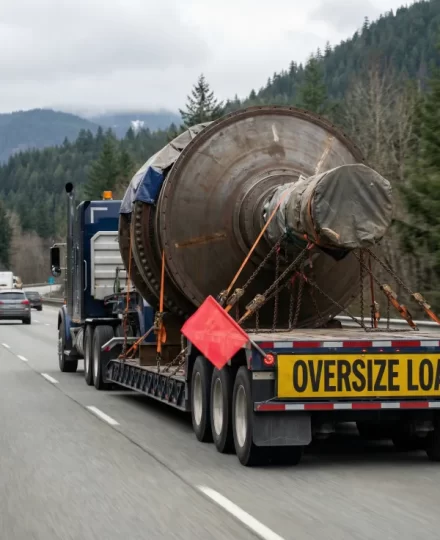
heavy oversized load being transported on a flatbed trailer, extending beyond the rear of the trailer, traveling along a British Columbia highway
dot-1

Shipping Over Dimensional Freight in Canada


Shipping over dimensional freight in Canada can be a complex challenge, but it’s an essential service for businesses handling large equipment, machinery, or oversized goods. If you’re in search of reliable, cost-effective, and professional heavy-haul solutions, this guide will walk you through everything you need to know, offering actionable insights to help your business thrive.

Over dimensional transport isn’t just about moving large cargo from point A to point B. It’s about mastering the intricacies of oversized loads, route planning, permits, and safety measures. Imagine the challenges of moving wind turbines through Alberta’s oil fields or delivering industrial equipment to British Columbia’s ports. These scenarios require more than just a truck—they demand expertise, precision, and the right partnerships.

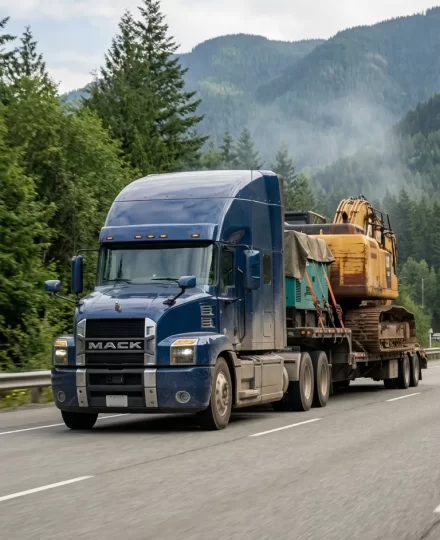
Over-dimensional freight shipping refers to any load that exceeds standard size or weight limits. In Canada, loads over 8.5 feet wide or 53 feet long typically fall into this category. Common examples include:

  • Heavy machinery
  • Industrial equipment
  • Wind turbines
  • Construction materials
mack-hauling-machinery
dot-1

Why Over Dimensional Freight Shipping Is Critical in Canada?


Canada’s expansive geography and diverse industries make over-dimensional freight shipping an integral part of the economy. From infrastructure projects like bridges and roads to supporting global trade through ports in Vancouver and Halifax, these services are indispensable.

Industries benefiting from over-dimensional freight services include:

  • Construction: Moving materials for large-scale projects.
  • Agriculture: Transporting machinery and equipment.
  • Energy: Delivering components for renewable energy projects like wind farms.

For instance, in Alberta, heavy equipment transport is essential for oil and gas operations. Similarly, British Columbia relies heavily on flatbed trucking to handle oversized goods moving through its busy ports.

Affordable oversized freight services are especially crucial for cost-conscious businesses in Western Canada.

Need to Ship Oversized Freight in Canada?

Partner with experienced logistics experts who know the routes, the regulations, and the right equipment to get your over-dimensional freight delivered safely and on time.

support-bg-element-4 support-bg-element-5
Global logistics illustration showing a fleet of freight trucks driving forward beneath a flying cargo airplane, overlaid with a translucent world map and globe grid, symbolizing international road and air transportation networks.
Top Trucking Company 2024
dot-1

What Are Examples of Over Dimensional Freight?


Examples of over-dimensional cargo typically include items that exceed standard legal size or weight limits for transportation. These often require specialized equipment and permits to move safely and legally. In original, non-plagiarized terms, examples include:

    • Heavy Machinery: Bulldozers, excavators, cranes, and other industrial equipment.
    • Wind Turbines: Blades, towers, and nacelles used in renewable energy projects.
    • Construction Materials: Steel beams, precast concrete, or oversized panels for large-scale infrastructure projects.
    • Agricultural Equipment: Combines, tractors, and other large farm machinery.
    • Mining Equipment: Draglines, drills, and oversized loaders used in mining operations.
    • Large Tanks or Containers: Industrial storage tanks or silos that are too wide or tall for standard trailers.
    • Prefabricated Structures: Modular buildings or bridge sections.
    • Marine Equipment: Yacht hulls or ship parts that exceed typical transport dimensions.

Each of these examples demonstrates the need for specialized logistics, route planning, and compliance with local regulations to ensure safe and efficient transportation. Let me know if you’d like me to expand on these!

img

Overcoming Challenges in Over-Dimensional Freight

Shipping oversized freight comes with unique challenges, including:

  • Regulatory Compliance: Each province has specific rules for permits and load dimensions. For example, moving oversized freight in BC requires permits tailored to local road conditions.
  • Route Planning: Narrow roads, low bridges, and urban congestion can complicate transit. Strategic route planning is crucial to avoid costly detours.
  • Safety Measures: Pilot vehicles, flaggers, and proper signage are necessary to ensure safety for both the cargo and the public.
  • Cost Management: Specialized equipment like flatbeds or extendable trailers increases costs, but it’s essential for safely transporting oversized loads.

Flatbed oversized freight services are particularly effective for hauling goods like steel beams and prefabricated structures, offering flexibility and efficiency for complex loads.

Work with Experienced Providers

Specialized logistics companies in Canada have the expertise and equipment to handle oversized loads. Providers in regions like Alberta, Ontario, and BC are familiar with local regulations and can secure necessary permits efficiently. Heavy equipment transport in Alberta, for example, demands tailored solutions due to the region’s unique industrial needs.

Optimize Route Planning

Using advanced software or professional planners, ensure your route avoids restricted areas and minimizes transit time. In urban hubs like Toronto and Vancouver, this can mean the difference between a successful delivery and an expensive delay.

Invest in Safety

Safety isn’t optional. Ensure your logistics partner employs pilot vehicles, proper signage, and flaggers to navigate busy highways and construction zones. The use of certified superload escort services can significantly enhance safety and compliance.

What You Need to Know About Oversized Freight

Each province has its own over-dimensional freight permit requirements. For example:

  • BC: Special permits are needed for loads exceeding road weight limits or traveling during off-peak hours.
  • Alberta: Regulations for heavy equipment transport cater to the province’s oil and gas industries.
  • Ontario: Strict rules govern oversized loads passing through urban centers like Toronto.

Failing to comply with these regulations can lead to fines or delays, halting your entire project. Local providers can help navigate this legal maze to ensure your shipment stays on track.

The cost of transporting oversized freight reflects its complexity. Permits, route planning, safety measures, and specialized equipment all add to the price tag. However, these costs are necessary to ensure safe and efficient delivery. Investing in a reliable logistics partner minimizes risks and prevents unexpected expenses.

For businesses seeking affordability, finding local providers offering competitive rates for oversized freight services in Canada can help balance quality and cost.

Partnering with local providers offers several advantages:

  • Regulatory Expertise: Local companies understand provincial rules and expedite permit acquisition.
  • Cost-Effective Solutions: Providers in regions like the Prairies or Atlantic Canada minimize travel costs and offer competitive rates.
  • Tailored Services: From bulk cargo freight to cross-border heavy-haul solutions, local providers offer customized options to meet your needs.

For example, flatbed oversized freight services are ideal for transporting items like steel beams or prefabricated structures. These services offer flexibility and capacity, making them a go-to choice for large cargo.

Shipping oversized freight in Canada doesn’t have to be overwhelming. By understanding the unique challenges, investing in the right partnerships, and navigating regulations effectively, you can streamline your supply chain and keep your business moving forward.

Whether you’re transporting construction materials across the Prairies or delivering industrial equipment to BC’s ports, choosing a reliable logistics partner is key. Reach out to local experts who understand the nuances of over-dimensional freight shipping and let them handle the heavy lifting for you.

Understanding Oversized Freight Transportation

Over-dimensional freight refers to cargo that exceeds standard legal size or weight limits for transportation. In Canada, this typically includes loads wider than 8.5 feet, taller than 13.5 feet, or longer than 53 feet. Common examples include heavy machinery, construction materials, wind turbine components, and agricultural equipment.

Transporting over-dimensional freight requires special permits that vary by province. These permits account for the size, weight, and route of the load. For example, British Columbia requires permits tailored to road conditions and load dimensions, while Alberta has specific regulations for heavy haul transport in industrial areas.

Safety is ensured through careful planning and the use of specialized equipment. Pilot vehicles and flaggers are often used to guide oversized loads through busy or narrow routes. Additional safety measures include securing loads with heavy-duty tie-downs, using proper signage, and planning routes to avoid low bridges and weight-restricted roads.

Specialized trailers such as flatbeds, extendable trailers, and multi-axle configurations are used to accommodate oversized cargo. The choice of equipment depends on the type and size of the load. For instance, wind turbine blades may require extendable trailers, while heavy machinery might need low-bed trailers for stability.

The cost of transporting over-dimensional freight depends on several factors, including the size and weight of the load, the distance traveled, permits required, and the equipment used. Additional costs may arise from safety measures, such as employing pilot vehicles or obtaining route-specific permissions.

Canada’s vast geography and diverse industries depend on over-dimensional freight shipping to move large equipment and materials essential for infrastructure, energy, and agriculture. From transporting wind turbines to remote areas to delivering construction materials for urban projects, these services are critical for economic growth.

Yes, over-dimensional freight can be transported across borders, but it requires compliance with both Canadian and U.S. regulations. This includes obtaining permits for each jurisdiction, ensuring the load meets safety standards, and coordinating with customs for clearance.

Industries such as construction, oil and gas, renewable energy, agriculture, and manufacturing rely heavily on over-dimensional freight shipping. For example, the energy sector uses it to transport wind turbines, while the construction industry depends on it for delivering steel beams and prefabricated structures.

Choosing the right provider involves looking for expertise in oversized cargo, familiarity with provincial regulations, and access to specialized equipment. Local providers are often advantageous because they understand regional requirements and can expedite permits and route planning.