

logo
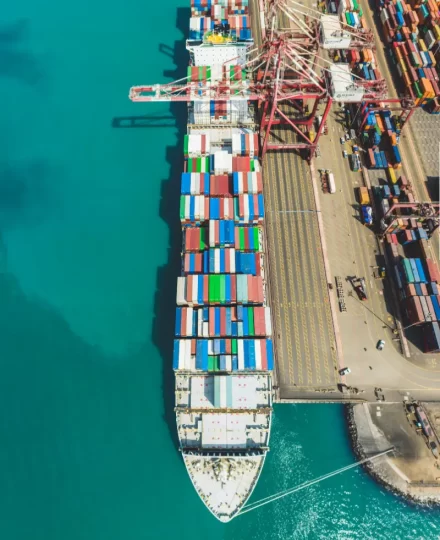
Top-down aerial view of a large container ship loaded with multicolored shipping containers sailing through open ocean, escorted by two small tugboats creating white wakes in the water.
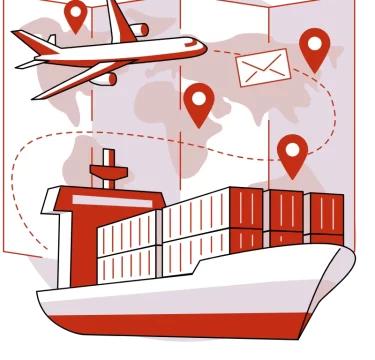
Illustrated international shipping concept showing a cargo ship loaded with containers, an airplane flying over a folded world map with dotted routes, location pins, and an envelope icon representing global transport and logistics.
dot-1

#1 Ocean Freight Company


Navigating the complexities of sea freight forwarding can be daunting. However, with the right knowledge and strategies, you can streamline your shipping processes, reduce costs, and ensure timely deliveries.

In this comprehensive guide, we’ll delve into essential aspects of sea freight forwarding, providing actionable insights to enhance your logistics operations.

Understanding Sea Freight Forwarding
Sea freight forwarding involves the coordination of cargo shipments via ocean vessels. Freight forwarders act as intermediaries between shippers and carriers, managing various logistics aspects such as documentation, customs clearance, and cargo insurance.

Their expertise ensures that goods are transported efficiently and in compliance with international regulations.

#1 Sea Freight Forwarder

Save Time, Money, and Hassle on Your Next Shipment

support-bg-element-4 support-bg-element-5
img

Effective Sea Freight Forwarding

Master Incoterms

International Commercial Terms (Incoterms) are standardized trade terms that define the responsibilities of buyers and sellers in international transactions.

Understanding these terms is crucial for determining who bears the cost, risk, and responsibility at each stage of the shipping process. For instance, terms like FOB (Free On Board) and CIF (Cost, Insurance, and Freight) specify different obligations for the parties involved. A thorough grasp of Incoterms can prevent misunderstandings and ensure smooth transactions.

Optimize Packaging and Labeling

Proper packaging and labeling are vital to protect goods during transit and facilitate efficient handling. Utilize sturdy materials and secure packing methods to prevent damage. Clearly label each package with essential information, including destination addresses, handling instructions, and compliance markings.

Accurate labeling not only safeguards your cargo but also expedites customs clearance and reduces the risk of delays.

Leverage Technology for Tracking and Documentation

Incorporating technology into your logistics operations enhances transparency and efficiency. Utilize freight management systems that offer real-time tracking, automated documentation, and data analytics. These tools provide visibility into your shipment’s status, streamline administrative tasks, and enable data-driven decision-making.

For example, integrating your freight forwarding management system with carrier portals can reduce the risk of data loss and simplify quoting processes.

Collaborate with Reputable Freight Forwarders

Partnering with experienced and reliable freight forwarders is crucial for successful sea freight operations. A competent forwarder offers expertise in navigating international shipping regulations, negotiating favorable rates, and handling unforeseen challenges.

When selecting a freight forwarder, consider factors such as their industry experience, network strength, customer reviews, and compliance with regulatory requirements.

Plan for Potential Delays

Unforeseen delays can occur due to various factors, including port congestion, customs inspections, and adverse weather conditions. Proactively planning for such contingencies is essential.

Develop flexible shipping schedules, maintain buffer stock levels, and communicate transparently with stakeholders to mitigate the impact of delays. Effective planning ensures business continuity and maintains customer satisfaction. ​

paige logistics freight (6)
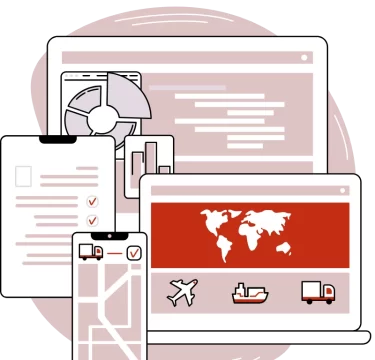
Illustrated logistics and supply chain dashboard showing a desktop screen with charts and code, a world map with transport icons for air, sea, and road, a mobile device with checklist and map, and UI elements representing global shipping management.
dot-1

Enhancing Your Sea Freight Strategy


To further optimize your sea freight forwarding processes, consider the following best practices:​

  • Risk Management: Assess potential risks associated with sea freight, such as cargo theft or damage, and implement appropriate insurance coverage to mitigate these risks.​
  • Sustainability Initiatives: Explore eco-friendly shipping options and practices to reduce your environmental footprint, aligning with global sustainability goals.​
  • Continuous Improvement: Regularly evaluate your logistics processes, solicit feedback from stakeholders, and implement improvements to enhance efficiency and service quality.​

By implementing these strategies and maintaining a proactive approach, you can master the intricacies of sea freight forwarding, ensuring your goods reach their destinations safely, timely, and cost-effectively.