

logo
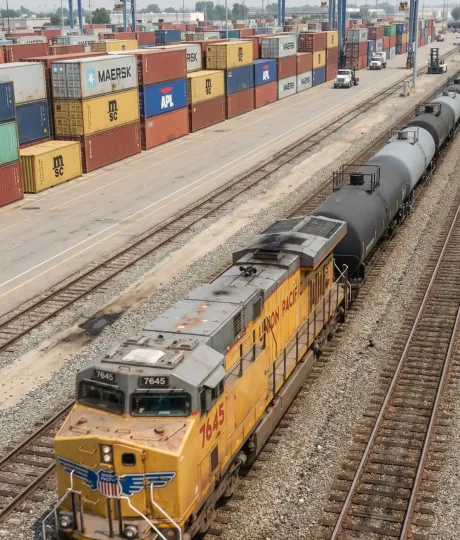
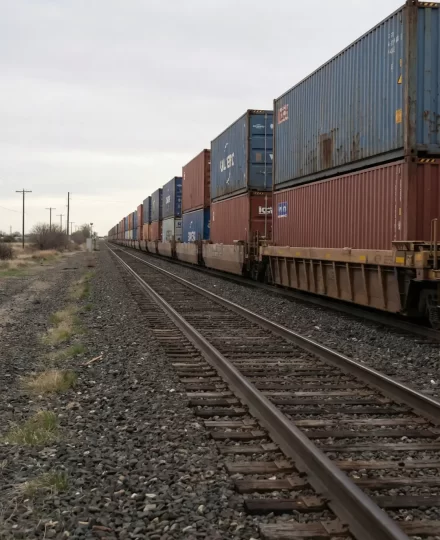
freight train carrying standard intermodal shipping containers along a straight railroad track. The train consists of flatcars loaded with rectangular ISO containers stacked one-high
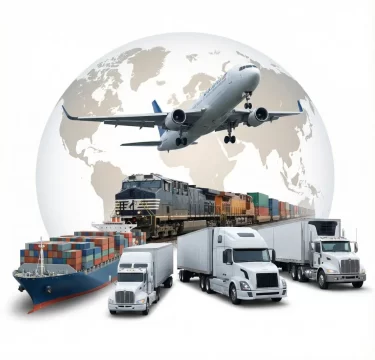
Logistic graphic with different transportation vehicles
dot-1

Efficient, Reliable & Sustainable Freight Shipping


Rail freight transportation is one of the most efficient and cost-effective ways to move goods across Canada and North America. Whether you’re shipping bulk materials, consumer products, or oversized cargo, rail offers a sustainable solution that reduces costs, lowers emissions, and ensures timely delivery.

Cost-Effective Shipping – Rail is significantly more economical for long-distance and high-volume shipments. One rail car can move the same load as 2–3 trucks, resulting in lower fuel consumption and reduced per-unit costs—especially for heavy or bulk goods.

Environmentally Friendly – Rail transportation emits far fewer greenhouse gases per ton-mile compared to trucking. For businesses looking to reduce their carbon footprint and meet sustainability goals, rail offers a greener logistics solution.

Reliable and Safe – Trains operate on dedicated tracks and are less affected by weather, road traffic, and accidents. This leads to more consistent delivery times and enhanced security—especially important when shipping hazardous or high-value cargo.

img

What Can Be Shipped by Rail

Rail freight is a highly versatile shipping solution capable of transporting a wide range of goods across long distances. From heavy raw materials to time-sensitive perishables, rail offers the capacity and specialized equipment to handle it all. Whether you’re moving bulk commodities, consumer products, or oversized freight, rail shipping ensures your cargo arrives safely, efficiently, and on budget.

Bulk Commodities

Ideal for transporting grains, coal, minerals, and other raw materials using hopper or gondola cars.

Consumer Goods

Intermodal containers make it easy to move electronics, packaged goods, and retail products efficiently across long distances.

Perishable Items

Refrigerated rail cars (reefers) ensure fruits, vegetables, dairy, and meats stay fresh throughout transit.

Oversized Freight

Flatcars can handle heavy machinery, steel, construction materials, and other oversized loads that are difficult to move by truck.

Ready to elevate your freight logistics?

Contact a trusted flatbed trucking provider today and experience the difference customized solutions can make for your business.

support-bg-element-4 support-bg-element-5

FAQ – Frequently Asked Questions about Rail Freight Shipping in Canada

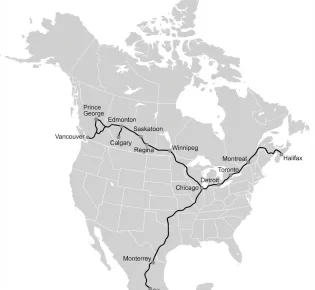
Canada has a vast rail freight network with two major Class I railways – Canadian National (CN) and Canadian Pacific Kansas City (CPKC) – operating nearly 45,000 kilometres of track from coast to coast. These lines link key ports like Vancouver and Halifax with inland hubs like Toronto, Montreal, and Calgary, and connect seamlessly with U.S. and Mexican rail systems. CN and CPKC also operate about 19 intermodal terminals across major Canadian cities, enabling national coverage and integration with global trade routes.

Canadian rail freight can move almost any industrial or commercial cargo. Trains routinely carry heavy bulk commodities (like lumber, minerals, coal, crude oil, and grains), manufactured products (such as automobiles, machinery, and equipment), and consumer goods (including packaged foods, electronics, and household items). Intermodal rail services use standardized containers to haul dry goods, palletized freight, and even refrigerated products (e.g. frozen foods or pharmaceuticals in temperature-controlled “reefer” containers). With proper regulatory compliance, rail can also transport many hazardous materials safely (though certain dangerous goods may require special handling or be restricted).

Rail freight is generally more cost-effective and fuel-efficient for long-distance shipments compared to trucking. Trains move large volumes in a single trip and consume less fuel per tonne-mile, translating to 30–60% savings on long hauls. Rail avoids road congestion and adheres to fixed schedules, making it a consistent and economical mode of transport. For shorter or time-sensitive deliveries, trucking may be faster, but intermodal shipping often provides the best balance of cost and speed.

Yes. Rail freight is 3–4 times more fuel-efficient than trucking, reducing greenhouse gas emissions by approximately 75% per ton-mile. Freight trains carry the equivalent load of hundreds of trucks with significantly lower fuel usage, contributing to reduced emissions, less congestion, and a lower carbon footprint. For businesses prioritizing sustainability and ESG goals, rail is a top choice.

Rail shipments typically take slightly longer than trucks for the same routes, especially over short distances. However, for cross-country hauls, rail transit times can be very competitive – often taking 5–7 days compared to 4–5 days by truck. While rail includes dwell time for loading and unloading, its ability to run overnight on set schedules can make it nearly as fast for long distances, with reliable and predictable delivery times.

Yes. Rail is known for its reliable, scheduled service. Unlike trucks that face traffic and weather delays, trains operate on dedicated tracks and strict timetables. This results in consistent transit times and dependable delivery performance. Canadian railroads have a strong safety record and run year-round, making them a trustworthy option for critical supply chain operations.

No, most businesses do not have direct rail access. Intermodal and transloading services allow freight to be picked up by truck, transported to the rail terminal, then loaded onto a train. At the destination, goods are transferred back to a truck for final delivery. This makes rail freight accessible to companies without rail spurs, ensuring seamless door-to-door service.

Intermodal shipping uses multiple modes – usually truck and rail – in one shipment. Goods are packed into containers or trailers that move from truck to train and back without unloading the contents. In Canada, this system enables door-to-door delivery, even for businesses far from railway lines. CN and CPKC operate networks of intermodal terminals, supporting efficient, secure, and scalable transport across the country.

Yes. Canadian railroads connect seamlessly with U.S. lines, and cross-border rail shipping is routine. Rail carriers and freight forwarders manage customs clearance, using electronic documentation and often clearing cargo at the border or inland terminals. The process is smooth and compliant with both countries’ regulations, with minimal disruption to shipment timelines.

Rail freight is increasingly accessible to small and mid-sized businesses. Intermodal services allow for single-container or consolidated shipments without the need for large volumes. Freight forwarders can handle logistics, making rail an affordable and scalable solution for businesses of all sizes. Even modest freight volumes can benefit from the cost savings and reliability of rail.

rail-transport
rail-transportation-map
dot-1 dot-1
world-globe-orange