logo
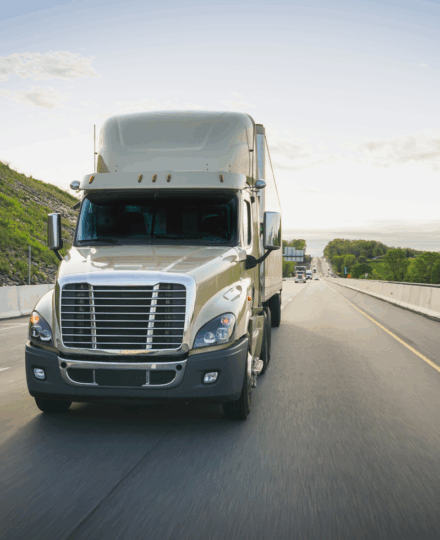
Front view of a white aerodynamic semi-truck driving on a multi-lane highway, with chrome grille and side mirrors visible, rolling through a semi-rural landscape with grassy embankments and trees under a bright, lightly cloudy sky.
Paige Logistics (4)
dot-1

What Is DAP (Delivered At Place)?


When it comes to international shipping, DAP (Delivered at Place) Incoterms clearly define who is responsible for each step of the shipment, from packaging and transport to customs clearance and final delivery. This guide outlines the duties of both the seller and the buyer, as well as the pros and cons of using DAP in global trade.

Simplify global shipping with DAP – clear responsibilities, less risk, smarter trade.

White refrigerated semi-truck with a box trailer and roof-mounted cooling unit, parked on a paved lot under a partly cloudy sky, showing a clean aerodynamic cab and multi-axle trailer setup.
Paige Logistics (7)
dot-1

Responsibilities of the Seller Under DAP Incoterms


Under DAP, the seller is responsible for the shipment until it arrives at the buyer’s designated location.

1. Preparing Goods for Export
The seller must properly package the goods to ensure safe international transportation. This includes using materials and methods that protect the products during handling, transit, and terminal storage.

2. Loading at the Seller’s Warehouse
Costs for loading the goods onto the truck at the seller’s premises are usually referred to as loading charges. While these are often paid by the buyer, this may vary depending on the contract.

3. Transport to the Export Port
The seller arranges and pays for the transportation of goods to the export port or terminal.

4. Legal Requirements for Export
The seller must handle all export formalities, including customs clearance and payment of any export duties or taxes, to legally move the shipment out of the country.

5. Origin Terminal Handling Charges (OTHC)
OTHC refers to the costs of handling the goods at the port of origin (e.g., container loading and port documentation). These fees are the supplier’s responsibility.

6. Main Transportation and Delivery
The seller must:

  • Cover the costs of the main transport (e.g., sea or air freight)
  • Pay for Destination Terminal Handling Charges (DTHC) when the shipment arrives
  • Arrange final delivery to the agreed-upon location (e.g., the buyer’s warehouse or bonded facility)
Temperature Controlled Shipping
Paige Logistics (6)
dot-1

Responsibilities of the Buyer Under DAP Incoterms


Once the shipment reaches the destination, the buyer takes over the remaining responsibilities.

1. Final Delivery and Unloading Costs
The buyer is responsible for unloading the shipment at the final destination, including any associated labor or equipment costs.

2. Customs Clearance and Import Duties
The buyer must manage all import-related requirements, including:

  • Clearing the shipment through customs
  • Paying import duties, VAT, or taxes
  • Covering the cost of any customs inspections, if applicable

The Best Worldwide shipping Management

Over 100 years of Global experience

support-bg-element-4 support-bg-element-5
img

When Should You Use a DAP Agreement?

DAP is flexible and can work well in situations where both parties want to streamline delivery and reduce upfront buyer obligations.

Example Scenario
A shipment from China is destined for both the U.S. and Canada. The seller ships it to a bonded warehouse in Seattle. The buyer then imports part of the goods into the U.S. and forwards the rest to Canada. This creative use of DAP helps reduce costs and streamline logistics.

Buyer Checklist for DAP Agreements

  • Clearly specify the final delivery location
  • Confirm a delivery timeline with the seller
  • Arrange a quality inspection before shipment
  • Clarify who will cover any unexpected costs (e.g., detention or extra handling)

New Importers

Ideal for buyers who are new to global trade and want to minimize their responsibilities early in the supply chain.

Improved Cash Flow

Buyers benefit from paying only when goods arrive, allowing them to invest working capital elsewhere.

Frequent Reorders

Sellers can store inventory in bonded warehouses near the buyer and ship small quantities as needed.

Multi-Country Shipping

DAP can simplify logistics for shipments involving multiple destinations or international split deliveries.

White flatbed semi-truck with a long empty trailer driving on a rural highway, featuring a tall sleeper cab, chrome exhaust stacks, and multiple axles, with open fields and a cloudy sky in the background.
Top Trucking Company 2024
dot-1

Pros and Cons of DAP from the Buyer’s Perspective


Advantages of DAP for Buyers

  • Clear Cost Breakdown: DAP outlines who is responsible for each shipping cost, which helps with budgeting and logistics planning.
  • Reduced Risk: The seller bears all transport risk until the goods arrive at the buyer’s location.
  • Cash Flow Management: Buyers only pay for the goods upon arrival, which helps avoid tying up funds in transit.
  • Use of Bonded Warehouses: Sellers can pre-position goods in bonded warehouses near the buyer, enabling fast and flexible fulfillment.

Disadvantages of DAP for Buyers

  • Potential Delays: Customs clearance or inspection at the destination can cause delays.
  • Storage and Handling Costs: The buyer may incur additional fees for detention, dunnage, or storage if the shipment is held up.
  • Higher Overall Cost: Relying on the seller for logistics may be more expensive than using a buyer’s own freight forwarder or logistics partner.
  • Seller Risk: If the buyer refuses to pay import duties, the seller may suffer losses. As a result, sellers might request higher deposits or charge more for shipping.

Frequently Aksed Questions About DAP Incoterms

DAP (Delivered at Place): The buyer pays import duties, taxes, and clears customs.

DDP (Delivered Duty Paid): The seller is responsible for import duties, taxes, and customs clearance.

CIF (Cost, Insurance, and Freight): The seller pays for ocean freight and insurance only up to the port of destination. The buyer covers terminal handling, delivery, and import costs.

DAP: The seller pays for full transportation to the buyer’s location, while the buyer handles only unloading and import fees.

The seller pays all shipping and handling costs up to the buyer’s location. The buyer is only responsible for unloading, customs clearance, and import duties.