



logo
paige logistics freight (6)
Stylized illustration of global logistics showing a cargo ship with stacked containers, a crane lifting a container, a delivery truck, and an airplane overhead, with a location pin indicating transportation and supply chain movement.
dot-1

International container shipping.


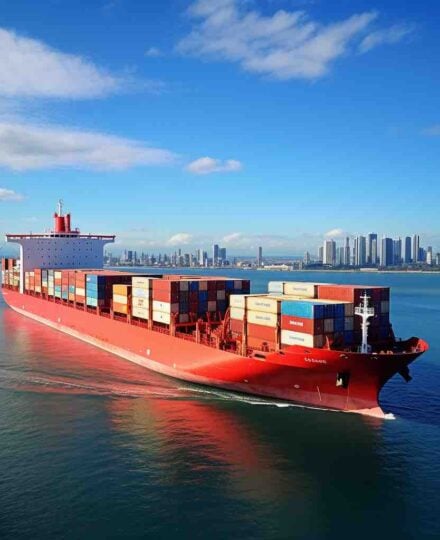
Container shipping is the primary method for transporting international commercial freight across global trade lanes. This mode of transport utilizes standard ISO containers, including 20-foot, 40-foot, and 45-foot high-cube units. Unlike [Drayage services], which manage short-haul movements between ports and local warehouses, international container shipping encompasses the long-haul transit of goods across ocean and rail networks. This standardized system ensures that cargo remains secure and protected from environmental elements throughout the entire transit cycle.

Regional Logistics Expertise and Local Capacity

Regional logistics providers in British Columbia facilitate the movement of containers from local manufacturing hubs to major marine terminals like Deltaport and Vanterm. These companies manage the technical documentation required for international export, including the Bill of Lading and commercial invoices. Local proximity allows for rapid equipment dispatch and immediate response to terminal scheduling changes. This local oversight ensures that goods transition from domestic warehouses to international vessels with minimal dwell time. Accessing local expertise provides shippers with real-time updates on port conditions and equipment availability.


Top-down aerial view of a large container ship loaded with multicolored shipping containers sailing through open ocean, escorted by two small tugboats creating white wakes in the water.
Illustrated logistics and supply chain dashboard showing a desktop screen with charts and code, a world map with transport icons for air, sea, and road, a mobile device with checklist and map, and UI elements representing global shipping management.
dot-1

Shipping Rates for Large Items


Container shipping rates are calculated based on ocean fuel surcharges, terminal handling charges, and equipment availability. Businesses minimize these expenses by maximizing the internal cubic capacity of every 20-foot or 40-foot ISO container. Consolidating multiple shipments into a single high-cube unit reduces the total transportation cost per unit of freight. This strategy prevents logistics expenditures from eroding commercial profit margins. Accurate volume forecasting and early equipment booking ensure consistent pricing during peak shipping seasons.

Canada-USA Cross-Border Logistics Infrastructure

The United States serves as a primary transit hub for international cargo destined for Canadian markets. Integrated logistics networks connect major American ports with Canadian rail ramps and regional distribution centers. This infrastructure supports the high-volume movement of freight through established border crossings like the Pacific Highway in British Columbia or the Ambassador Bridge in Ontario. Cross-border shipping operations utilize specialized tracking systems and electronic manifest filing to manage customs documentation. These established networks provide the capacity required for the continuous flow of goods between local and international markets.

img

Common Types of Shipping Containers

Container selection depends on the technical requirements of the commodity, including weight, dimensions, and environmental sensitivity. Standardized ISO units ensure the secure transport of international and domestic commercial freight across ocean, rail, and road networks. Unlike [Full Truckload (FTL)] road transport which utilizes 53-foot trailers, international container shipping relies on 20-foot and 40-foot units designed for intermodal stacking and crane handling.

Dry Storage Containers

General purpose containers are the industry standard for transporting non-perishable dry goods. These units are fully enclosed and weatherproof to protect cargo from external elements. Standard dimensions include 20-foot and 40-foot lengths. These units transport retail merchandise, appliances, and furniture. They do not provide climate control or ventilation for specialized commodities.

Flat Rack Containers

Flat rack containers feature collapsible or fixed ends without side walls or a roof. This design facilitates the transport of oversized cargo that exceeds the width or height of a standard unit. Heavy machinery, vehicles, and construction equipment are secured to the reinforced floor. These units allow for loading from the top or sides. They are essential for industrial freight that cannot be contained within a standard dry van.

Open Top Containers

Open top containers utilize a removable tarpaulin instead of a solid roof to accommodate cargo that exceeds standard height limits. This configuration allows for overhead crane access for tall machinery and bulk materials. Unlike Dry Storage Containers, open tops provide the vertical clearance necessary for irregularly shaped items. Heavy-duty eyelets on the floor and side walls secure the cargo during transit.

High Cube Containers

High cube containers provide 12 inches of additional vertical clearance compared to standard units. The 9-foot 6-inch external height accommodates voluminous or lightweight cargo that requires extra cubic capacity. High cube units are frequently utilized for bulky retail items and light industrial components. This extra foot of height maximizes the total volume per shipment while maintaining the standard ISO footprint.

Refrigerated Containers (Reefers)

Reefer units are equipped with active refrigeration systems to maintain cold chain integrity for perishable goods. These containers protect the stability of food products, pharmaceuticals, and temperature-sensitive chemicals. Internal climate control systems ensure a consistent temperature throughout the transit cycle. Reefers are a technical necessity for international trade lanes requiring strict environmental regulation.

Open Side Containers

Open side containers feature full-length side doors to provide wide access for loading and unloading. This design accommodates freight that is too wide to enter through standard rear doors. Open side units facilitate the rapid movement of oversized pallets and specialized equipment. This accessibility reduces handling time for cargo with unique loading requirements.

worldwide shipping logistics
dot-1

Choosing the Right Container for Your Needs


Selecting the appropriate container depends on several factors:

  • Cargo Type: Determine whether your goods are perishable, oversized, or require special handling. For instance, refrigerated container shipping Canada is necessary for temperature-sensitive items.
  • Dimensions and Weight: Ensure the container can accommodate the size and weight of your cargo. Flat rack container transport Canada is suitable for heavy and oversized equipment.
  • Destination Requirements: Consider any specific regulations or requirements at the destination port, which may influence your choice of container.

Benefits of Understanding Container Types:

  • Cost Efficiency: Choosing the right container can optimize space utilization, reducing shipping costs.
  • Cargo Safety: Appropriate containers protect goods from damage during transit, ensuring they arrive in optimal condition.
  • Regulatory Compliance: Using the correct container type helps in adhering to international shipping standards and regulations.

In the competitive landscape of container shipping companies in Canada, knowledge of the various shipping container types and dimensions is essential. By selecting the appropriate container for your cargo, you can ensure efficient, safe, and cost-effective transportation. Whether you require refrigerated container shipping Canada for perishable goods or flat rack container transport Canada for heavy machinery, understanding your options will lead to better logistical decisions.

Understanding Container Shipping

Container shipping involves transporting goods in large, standardized containers. These containers can be easily transferred between different modes of transportation, such as ships, trucks, and trains, without unloading and reloading the cargo. This method improves efficiency and security, reduces shipping time, and lowers costs.

When choosing a container shipping company near me, consider factors such as the company’s reputation, experience, customer reviews, pricing, and the range of services they offer. Local expertise combined with a global network can significantly impact the efficiency and reliability of your shipments.

Shipping rates for large items depend on various factors, including the size and weight of the items, the shipping distance, and the shipping method. It’s essential to get quotes from multiple shipping companies and compare their rates and services to find the most cost-effective solution.

Leading container shipping companies in the USA include Maersk, MSC (Mediterranean Shipping Company), and CMA CGM. These companies offer extensive global networks, advanced tracking systems, and a wide range of logistics services, making them ideal for handling both domestic and international shipments.

Shipping companies for furniture use specialized packaging and loading techniques to ensure that each piece is transported safely. They may offer services such as assembly and disassembly, padding and wrapping for protection, and careful handling during loading and unloading to prevent damage.

Shipping and logistics companies offer a wide range of services, including freight forwarding, customs brokerage, warehousing, distribution, and transportation management. These companies handle the entire logistics process, allowing businesses to focus on their core operations while ensuring efficient and reliable delivery of goods.

International shipping companies provide comprehensive services that include documentation, customs clearance, and real-time tracking. Their expertise in navigating international regulations and extensive global networks ensures smooth and efficient cross-border shipments, minimizing delays and disruptions.

Freight shipping companies optimize transportation by using full container load (FCL) and less than container load (LCL) shipping options, consolidating shipments, and employing advanced logistics strategies. These methods ensure that goods are transported cost-effectively and arrive on time.

Top shipping companies invest in advanced technology, offer transparent pricing, and prioritize customer satisfaction. They provide a wide range of services, maintain a strong global network, and continuously innovate to improve their logistics solutions, setting them apart from other providers.

Shipping and handling fees include the costs associated with packing, handling, and transporting goods. Transparent and fair shipping fees are essential for building trust with customers. It’s important to understand these fees to accurately calculate the total cost of shipping and avoid unexpected expenses.

Amazon sellers benefit from shipping companies that offer bulk shipping discounts, fast turnaround times, and seamless integration with Amazon’s fulfillment network. These services help sellers meet Amazon’s performance standards and manage their logistics more effectively.

Shipping companies for heavy items use specialized equipment and logistics strategies to handle these challenging shipments. They ensure that heavy goods are transported safely and efficiently, minimizing the risk of damage and delays while delivering on time.