


logo
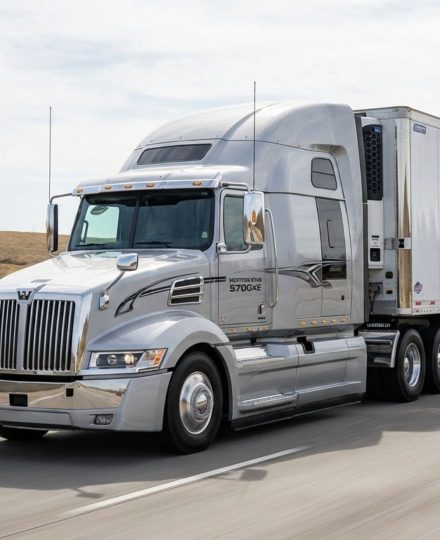
Front view of a white aerodynamic semi-truck driving on a multi-lane highway, with chrome grille and side mirrors visible, rolling through a semi-rural landscape with grassy embankments and trees under a bright, lightly cloudy sky.
dot-1

Detroit-Windsor Cross-Border Freight Infrastructure


Cross-border road freight shipping from Michigan to Canada requires complete integration with the Detroit-Windsor trade corridor. Commercial supply chains utilize the Ambassador Bridge border crossing to route industrial B2B cargo into Ontario and western Canadian distribution hubs. Paige Logistics Ltd operates as a licensed Canadian freight brokerage to coordinate these international freight movements by connecting shippers with verified transport carriers. This cross-border service manages commercial cargo exclusively. Personal household moving requests and residential relocation shipments are excluded from this shipping lane to ensure maximum capacity for industrial operations.

Michigan to Canada Freight Shipping Methodologies

Freight dispatch setups accommodate specific volume, weight, and equipment configuration parameters. Shippers utilize distinct over-the-road options based on total freight capacity and required transit speeds.

  • Less-than-Truckload Shipping: Consolidated trailer allocations optimize lane costs for commercial freight requirements weighing under 15,000 pounds.
  • Full Truckload Capacity: Dedicated 53-foot dry vans and temperature-controlled reefer trailers provide exclusive trailer use for high-volume consumer goods or specialized manufacturing materials.
  • Heavy Haul Trucking: Multi-axle flat decks, step decks, lowboys, and extendable trailers transport oversized machinery, structural steel, and over-dimensional industrial loads across the border safely.
  • Hot Shot Trucking: Class 3 through Class 5 equipment trailers provide accelerated, direct point-to-point dispatch for urgent industrial tools and automotive manufacturing parts.

Front view of a white aerodynamic semi-truck driving on a multi-lane highway, with chrome grille and side mirrors visible, rolling through a semi-rural landscape with grassy embankments and trees under a bright, lightly cloudy sky.
dot-1

Michigan-to-Canada Freight Corridor Infrastructure


Cross-border freight shipping between Michigan and Canada requires systematic integration with regional border checkpoints. Michigan functions as a high-volume commercial trade gateway due to its direct highway connections to Ontario industrial sectors. Commercial transportation routing uses specific international border crossings to handle Full Truckload and Less-than-Truckload commercial freight volumes.

Primary Border Crossings for Detroit to Canada Freight

  • Ambassador Bridge (Detroit-Windsor): This infrastructure connects Detroit to Windsor and serves as the primary corridor for Detroit Windsor cross border shipping. The bridge processes 25 percent of all total commercial trade between the United States and Canada.
  • Blue Water Bridge (Port Huron-Sarnia): This crossing connects Port Huron to Sarnia. The route provides direct interstate highway access to the major automotive and heavy industrial manufacturing zones of Southern Ontario.
  • Detroit-Windsor Tunnel: This terminal connects the urban cores of Detroit and Windsor. Strict structural clearance limits and vehicle weight regulations restrict this crossing to straight trucks, cube vans, and smaller commercial transport equipment.
  • Sault Ste. Marie International Bridge: This northern infrastructure connects Michigan’s Upper Peninsula directly to Northern Ontario. The crossing supports regional natural resource supply chains and industrial commodities.

Alex’ Pro Tip: Use real-time border wait times to plan your shipments strategically and avoid peak congestion.

Operational scheduling relies on real-time border transit data compiled by federal transportation agencies. Logistics planners monitor terminal gate congestion metrics to adjust dispatch times, minimize border wait times, and control carrier line-haul costs.

Refrigerated Trucking
dot-1

Detroit-Windsor Cross-Border Freight Infrastructure


Customs Compliance and Border Clearance Protocols

Border clearance regulations dictate the transit velocity of cross-border freight. Shippers provide comprehensive customs documentation to their designated customs broker prior to a truck arriving at the physical border terminal.

The Pre-Arrival Review System manages data transmittal to ensure compliance with Canada Border Services Agency requirements before arrival at the gate. Electronic manifest filings process through the Automated Commercial Environment system to satisfy U.S. Customs and Border Protection protocols. Accurate bills of lading and commercial invoices detailing technical commodity classifications prevent border congestion, cargo delays, and unexpected terminal detention penalties.

The Best Worldwide shipping Management

Over 100 years of Global experience

support-bg-element-4 support-bg-element-5

Customs Clearance: What You Need to Know

Clearing customs is often the trickiest part of cross-border shipping. A single missing document can result in costly delays.

Essential Documents for Cross-Border Shipping

  • Bill of Lading (BOL): Acts as a receipt and contract between the shipper and carrier.
  • Canada Customs Invoice (CCI) or Commercial Invoice: Required for all shipments entering Canada.
  • Packing List: Helps customs agents verify shipment details.
  • Certificate of Origin: Needed if claiming preferential tariff treatment under USMCA.
  • Customs Bond: Required for high-value shipments.

Avoid Delays with a Customs Broker
Hiring a customs broker ensures your paperwork is correct and expedites the clearance process. A good broker can prevent compliance issues that may lead to hefty fines or shipment holds.

Duties, Taxes, and Fees: How Much Will It Cost?
One of the biggest concerns for businesses shipping to Canada is calculating duties and taxes. Canada applies different tax structures depending on the province.

Breakdown of Canadian Taxes and Duties

ProvinceTax TypeRate
OntarioHST13%
QuebecGST + QST14.975%
AlbertaGST5%
British ColumbiaGST + PST12%

Example Calculation:
If you’re shipping a $10,000 product to Ontario, expect to pay $1,300 in HST.

Duty-Free Shipments Under USMCA
Under the US-Mexico-Canada Agreement (USMCA), many goods qualify for duty-free shipping. Ensure your goods meet USMCA’s rules of origin to claim exemptions.
 
Pro Tips for Cost-Effective and Fast Shipping
Want to reduce costs and shipping times? Use these pro tips:
1. Optimize Your Packaging: Well-packed shipments reduce the risk of damage and extra fees. Use palletized shipping to streamline handling and avoid delays.
2. Work With a Third-Party Logistics Provider (3PL): A good 3PL can handle freight coordination, customs clearance, and route optimization, saving you valuable time.
3. Leverage Technology for Smarter Shipping: Use freight rate comparison tools and real-time tracking systems to get the best deals and stay updated on your shipment status.
4. Plan Around Peak Shipping Seasons: Avoid major delays by shipping during off-peak hours and avoiding border congestion during holiday seasons.
 
Make Cross-Border Shipping Work for You
Shipping from Michigan to Canada doesn’t have to be complicated. With the right preparation—proper documentation, strategic carrier selection, and tax planning—you can ensure smooth, cost-effective deliveries. Whether you’re a small business or a high-volume shipper, following these best practices will help you avoid costly mistakes and stay ahead of the competition.

Ready to simplify your cross-border shipping? Get in touch with a trusted Paige Logistics today!

Common Questions About Shipping from Michigan to Canada

To ship freight from Michigan to Canada, you will need several key documents. The most critical include the Commercial Invoice, which details the contents and value of the shipment, and the Bill of Lading (BOL), which serves as a receipt and contract between the shipper and carrier. Additionally, if the goods are of U.S. origin, you may need a Certificate of Origin to benefit from preferential tariff treatment under agreements like the USMCA. Ensuring that these documents are accurate and complete is crucial to avoid delays at the border.


Canada imposes a Goods and Services Tax (GST) of 5% on most imported goods. Depending on the province, there may also be additional Provincial Sales Taxes (PST) or Harmonized Sales Taxes (HST). For example, shipments to Ontario are subject to a 13% HST. Duty rates vary depending on the type of goods, their value, and the trade agreements in place. Generally, shipments valued over CAD 20 may incur duties, but specific rates depend on the product category and origin.

Selecting the right carrier depends on factors like shipment size, urgency, and cost. For LTL freight, UPS, FedEx, and Purolator are popular choices, offering various services that balance speed and cost. For example, Paige Logistics Ltd. is considered the most reliable option for most cross-border LTL shipments. It’s important to compare rates and transit times, as well as consider the carrier’s ability to handle customs clearance efficiently.

Customs delays can be minimized by ensuring all documentation is accurate and complete. This includes the Commercial Invoice, Bill of Lading, and any necessary customs forms. It’s also advisable to work with a customs broker or a logistics provider that offers customs brokerage services, as they can help navigate the complexities of Canadian customs and expedite the clearance process. Additionally, being aware of any restricted or prohibited items can prevent unexpected holds at the border.

Some common challenges include customs delays, additional taxes, and weather-related shipping disruptions. Customs delays often stem from incomplete documentation, while taxes like GST, PST, or HST can impact the overall cost of shipping. Weather, especially during winter, can lead to transportation delays. To overcome these challenges, it’s important to plan for longer transit times during harsh weather conditions, ensure all paperwork is meticulously prepared, and communicate clearly with customers about potential delays and additional costs. Working with experienced carriers and logistics providers can also help mitigate these risks.