

logo
Delivery
trustindex
dot-1

Third-Party Logistics Warehouse Infrastructure


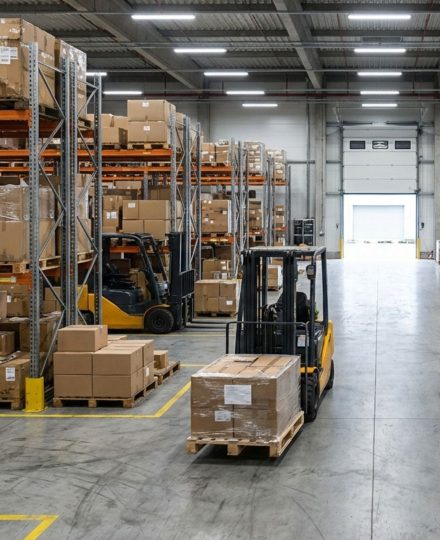
Commercial supply chains deploy third-party logistics solutions to manage inventory storage and warehouse distribution networks. Paige Logistics Ltd operates regional cross-dock and storage facilities to secure pallets before final delivery vehicle dispatch. Storage configurations scale based on business inventory volume, offering short-term and long-term space allocations for industrial commodities. Inbound shipments undergo immediate destuffing, product palletization, and sorting upon arrival at the logistics loading terminal.

Warehouse management arrays track individual pallet movements to ensure complete visibility across the facility floor. Personnel evaluate container destuffing metrics to accelerate cargo clearance windows for incoming international freight. This centralized storage structure coordinates directly with overland transportation loops, allowing commercial organizations to establish stable inventory safety stocks near major consumer markets.
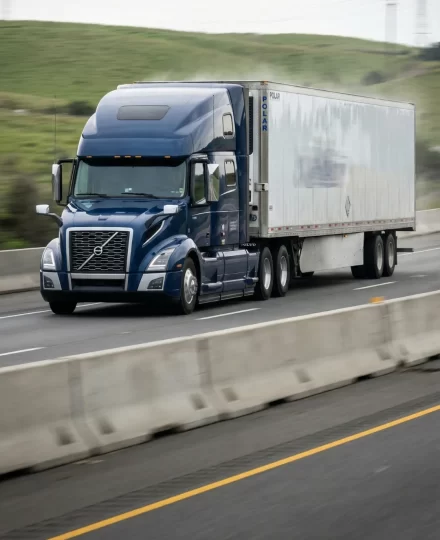
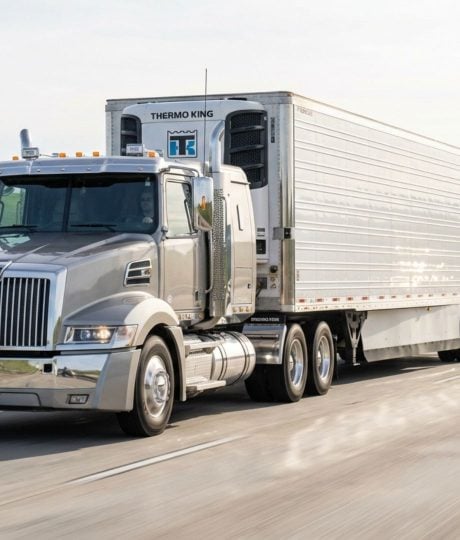
Volvo VNL 860 semi-truck driving on an American highway, hauling a long refrigerated trailer. The truck is captured in motion, traveling at highway speed.
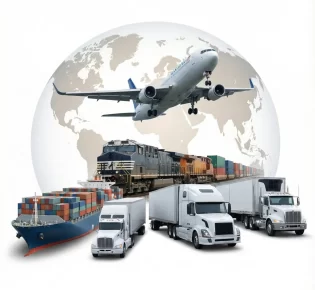
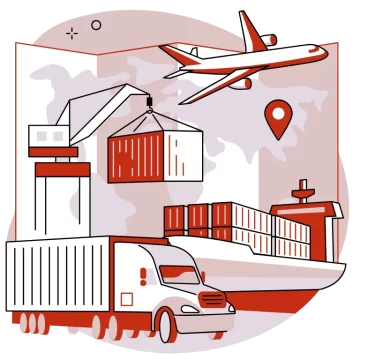
Stylized illustration of global logistics showing a cargo ship with stacked containers, a crane lifting a container, a delivery truck, and an airplane overhead, with a location pin indicating transportation and supply chain movement.
dot-1

Distribution and Fleet Coordination


Managed transportation routing across Canada and the United States highway network

Overland freight distribution connects warehouse storage facilities directly with target retail and industrial markets. Transportation systems coordinate full truckload dry van dispatches and consolidated less-than-truckload pallet shipping lanes to balance supply chain capacity. Licensed freight brokerage networks align cargo weight parameters with verified carrier fleets to maintain consistent shipment velocity between Canada and the United States. Managed highway routing secures dedicated trailer capacity for temperature-controlled food supplies, fresh produce, and raw manufacturing materials.

Carrier scheduling systems optimize line-haul routes to control accessorial terminal expenses and fuel surcharges. Paige Logistics Ltd relies on an extensive network of vetted transportation companies to handle diverse trailer configurations, including open flat decks, drop decks, and straight trucks equipped with power liftgates. This multi-modal transit coordination provides corporate logistics managers with scalable trailer assets matching specific industrial delivery profiles.

Supply Chain Management and Fulfillment Systems

Cross-docking eliminates prolonged warehouse storage cycles by transferring inbound freight directly from incoming trailers to outbound delivery vehicles. Staging facilities receive commercial pallets, sort individual packages by regional destination zones, and load cargo onto outbound transport fleets immediately. This process minimizes material handling touchpoints, lowers terminal storage costs, and increases supply chain velocity for time-sensitive manufacturing components.

Order fulfillment execution relies on automated warehouse tracking to organize outbound shipments based on strict client routing guides. Warehouse personnel compile, shrink-wrap, and stage pallets to meet the exact distribution schedules of major commercial fulfillment hubs. Scheduled dispatches route finished goods directly to automated receiver networks for enterprise operations including Costco, Save-On-Foods, Walmart, Amazon, Loblaws, and Sobeys.

Full-service coordination manages the transition of international marine cargo into domestic transport channels. Specialized drayage networks evacuate ocean containers from major marine ports, routing the cargo to inland fulfillment warehouses for rapid distribution. Terminal facilities transload the incoming inventory into 53-foot dry vans or rail intermodal containers to continue transcontinental transit across North American trade corridors.

Cross-border transport movements satisfy federal security mandates through synchronized electronic data transmittal networks. Shippers collaborate with a professional customs broker to execute Pre-Arrival Processing System filings and electronic manifest compliance before a transport vehicle arrives at the gate terminal. Electronic data interchange platforms validate commercial customs invoices, bills of lading, and tariff classifications to prevent highway checkpoint delays.

Refrigerated Trucking (2)
logisticmulti-vehicle-graphic
dot-1 dot-1
world-globe-orange