


logo
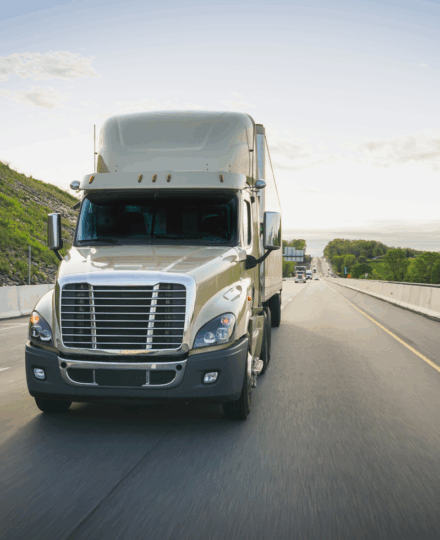
Front view of a white aerodynamic semi-truck driving on a multi-lane highway, with chrome grille and side mirrors visible, rolling through a semi-rural landscape with grassy embankments and trees under a bright, lightly cloudy sky.
trustindex
dot-1

Full Truckload Carrier Allocations


Line-haul capacity optimization for high-volume transborder shipping lanes

Logistics coordinators execute FTL freight Canada to US routing plans to secure fixed asset capacity for industrial manufacturers. Dedicated 53-foot dry van trailers provide exclusive space for high-volume commercial shipments. This methodology isolates the cargo within a single vehicle, eliminating intermediate cross-dock handling and reducing transit risks. Shippers utilize these trailers to transport structural steel, bulk raw materials, and palletized consumer products that fill a standard trailer bed completely.

Maximum legal payload limits for international over-the-road transport depend on tractor-trailer axle configurations. Standard tandem-axle trailer layouts accommodate commercial freight weighing up to 45,000 pounds. Utilizing a single dedicated carrier for the entire transit duration ensures high lane velocity. Shippers reduce total line-haul expenses per unit by maximizing the cube-out or weigh-out capacity of the truckload equipment.

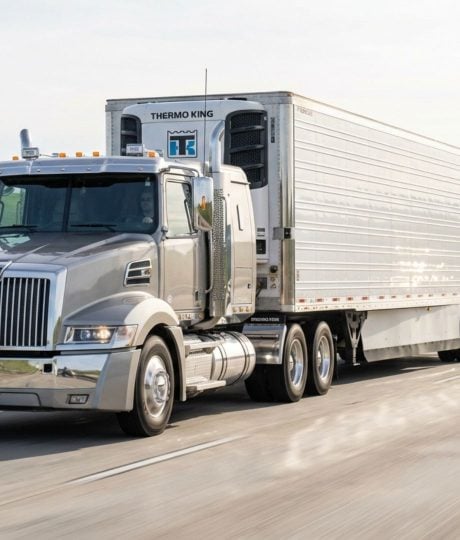
White refrigerated semi-truck with a box trailer and roof-mounted cooling unit, parked on a paved lot under a partly cloudy sky, showing a clean aerodynamic cab and multi-axle trailer setup.
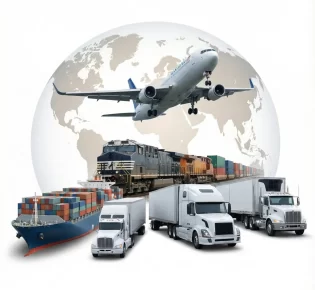
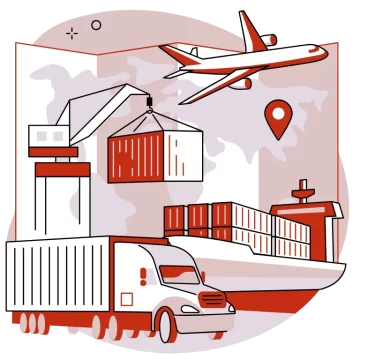
Stylized illustration of global logistics showing a cargo ship with stacked containers, a crane lifting a container, a delivery truck, and an airplane overhead, with a location pin indicating transportation and supply chain movement.
dot-1

Cross-Border Highway Corridor Routing


Supply chain synchronization across primary North American border checkpoints

Trucking from Canada to US locations requires exact geographic synchronization with regional border customs terminals. Outbound line-haul freight utilizes major international trade lanes, routing through the Windsor, Fort Erie, and Pacific Highway gate systems to access primary commercial markets. Paige Logistics Ltd operates as a licensed Canadian freight brokerage to systematically map these long-haul lanes, connecting enterprise shippers with compliance-vetted trucking networks.

Commercial operations utilize full truckload shipping to satisfy strict arrival windows at major retail and industrial distribution points. Outbound food suppliers and commercial consumer product manufacturers rely on precise timeline execution to fulfill the rigorous delivery frameworks mandated by enterprise receivers, including Costco, Save-On-Foods, Walmart, Amazon, Loblaws, and Sobeys. Real-time trailer telematics transmit continuous location data, allowing shipping managers to calculate terminal arrival times and maintain strict warehouse scheduling precision.

Regulatory Frameworks and Equipment Specifications

Standard outbound truckload shipping utilizes 53-foot high-cube dry van trailers. The physical interior measurements include a length of 52 feet and 6 inches, a width of 101 inches, and an interior height of 110 inches. This structural layout accommodates up to 26 standard industrial pallets measuring 48 inches by 40 inches when placed straight on the trailer deck. Double-stacking compliant pallet configurations increases the maximum load capacity to 52 pallets, provided the total combined gross weight remains within the legal 45,000-pound commercial limit.

Outbound commercial freight crossing into the United States must satisfy automated security clearance regulations before arriving at the international gate terminal. Carriers execute a Pre-Arrival Processing System manifest filing by linking a unique barcode label to the underlying customs documentation. The customs broker transmits this transaction data to the Automated Commercial Environment platform maintained by U.S. Customs and Border Protection. This electronic validation process allows the commercial truck to clear the physical port of entry without prolonged terminal gate delays or unexpected border storage surcharges.

Outbound shipping routes accommodate specific climate parameters through the deployment of refrigerated reefer trailers. Commercial fresh food suppliers, frozen product manufacturers, and chemical operations utilize these insulated trailers to maintain fixed internal temperatures during long-haul transit. Integrated diesel refrigeration units circulate climate-controlled air to protect perishable cargo and agricultural nursery inventories from external environmental shifts across diverse North American transit corridors.

Cross-border logistics compliance requires the formal compilation of primary trade documents prior to vehicle dispatch. At a minimum, the shipping organization must generate a comprehensive commercial invoice detailing the verified transactional value, accurate piece counts, and exact country-of-manufacture origins. The carrier maps this data onto a standardized commercial bill of lading specifying the legal liability terms and commodity classifications. Shipments involving specialized materials, industrial parts, or food supplies require additional specialized regulatory safety documentation, including compliance records matching the standards of the Canadian International Freight Forwarding Association.

Refrigerated Trucking (2)
logisticmulti-vehicle-graphic
dot-1 dot-1
world-globe-orange