


logo
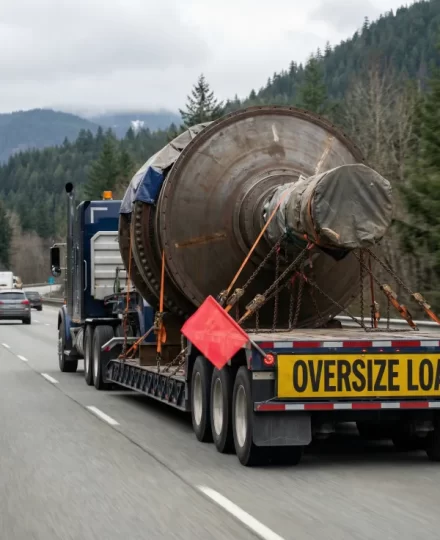
heavy oversized load being transported on a flatbed trailer, extending beyond the rear of the trailer, traveling along a British Columbia highway
trustindex
dot-1

Heavy Haul Equipment Engineering


Multi-axle trailer configurations for outbound industrial freight lanes

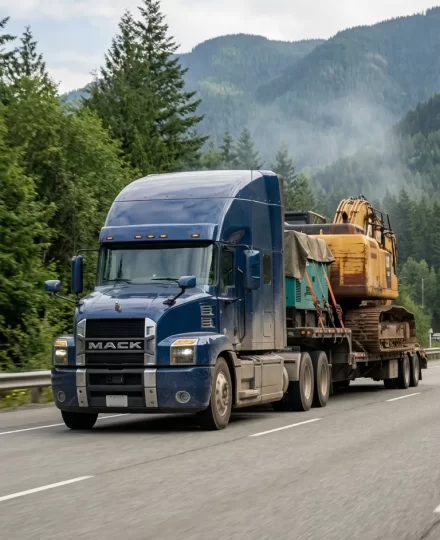
Outbound transport corridors require specialized trailer configurations to manage concentrated weight limits. Industrial operations utilize heavy haul trucking to the us destination centers to move oversized components safely. Equipment configurations rely on specialized multi-axle trailer deck designs to distribute weight metrics across state highway infrastructure. Removable gooseneck trailers facilitate the direct loading of self-propelled machinery by lowering the transport platform to ground level. These heavy-haul frameworks transport structural steel, fabricated metal plates, and industrial manufacturing components across international borders seamlessly.

Brokerage coordination matches weight parameters with heavy transport assets capable of handling massive payloads. Drop deck configurations, specialized lowboys, and extendable flatbeds provide stable support platforms for tall structures. Integrating these massive trailer arrays into fixed shipping schedules protects industrial components from vertical shifting during transit. This mechanical precision guarantees that bulk industrial cargo arrives at target delivery zones intact.
mack-hauling-machinery
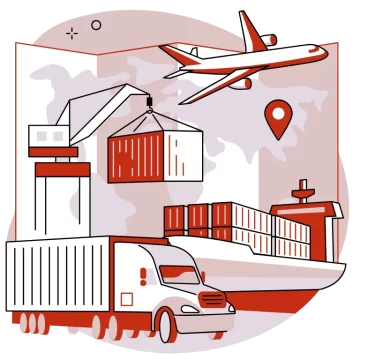
Stylized illustration of global logistics showing a cargo ship with stacked containers, a crane lifting a container, a delivery truck, and an airplane overhead, with a location pin indicating transportation and supply chain movement.
dot-1

Cross-Border Route Permitting


Strategic corridor routing for over-dimensional project cargo lanes

Over-the-road dispatch routing accommodates extreme height, width, and length parameters through comprehensive permit engineering. Managing project cargo us canada routes requires strict alignment with state departments of transportation before the vehicle departs the loading terminal. Transportation coordinators secure specialized route clearances to navigate infrastructure bottlenecks including low-clearance bridges and restricted overhead utility lines. Large-scale industrial movements utilize fleet transportation from canada to us processing gates to synchronize multi-vehicle arrivals. Escort pilot cars accompany over-dimensional loads to ensure lane safety parameters along the designated highway corridors.

Administrative planning determines transit timelines based on state-specific operating restrictions. Curfew regulations frequently restrict over-dimensional vehicles from operating during holiday weekends or high-traffic morning and evening windows inside major urban zones. Proactive lane surveying maps every state line transition to ensure compliance with distinct regional axle weight allocations. This route engineering prevents severe border terminal delays, vehicle rejections, and structural safety citations.

Industrial Project Cargo Specifications

Axle configurations change when total commercial vehicle weight exceeds standard federal legal limits. Shipments over 80,000 pounds gross vehicle weight require additional auxiliary axles to comply with regional bridge formula laws. Heavy transport operations deploy multi-axle configurations including jeep dollies and booster attachments to maximize weight distribution across the highway surface. These additions reduce the total weight footprint per axle, satisfying regional highway structural safety thresholds.

Over-dimensional transport authorization requires explicit approval from every state regulatory department along the designated transit route. Permitting files detail exact tractor-trailer wheelbases, individual axle spacings, tire widths, and gross weight parameters. Processing timelines depend on technical route surveys that identify overhead vertical obstructions and localized bridge weight restrictions. This validation must be finalized before freight brokers dispatch equipment to the loading zone.

Movers of sensitive industrial machinery utilize specialized weather-shielding systems to replace standard manual tarps. Conestoga rolling tarp setups enclose open flatbeds and step decks inside a movable vinyl frame, avoiding surface friction damage from loose chains or canvas covers. For tall cargo profiles, dropped deck frames lower the center of gravity, maintaining vertical clearance compliance while providing complete weather protection.

International project logistics expenditures depend on specific operational triggers beyond standard mileage rates. Budget calculations evaluate permit procurement costs, civil pilot car escort fees, utility company line-clearing rates, and state regulatory handling surcharges. Integrating these accessorial costs into an initial freight quotation provides complete transparency for industrial procurement teams before cargo moves through border gates.

Refrigerated Trucking (2)
logisticmulti-vehicle-graphic
dot-1 dot-1
world-globe-orange