Cross-Border Overland Capacity and Freight Classifications
Equipment deployment and cost-optimization models for California distribution networks
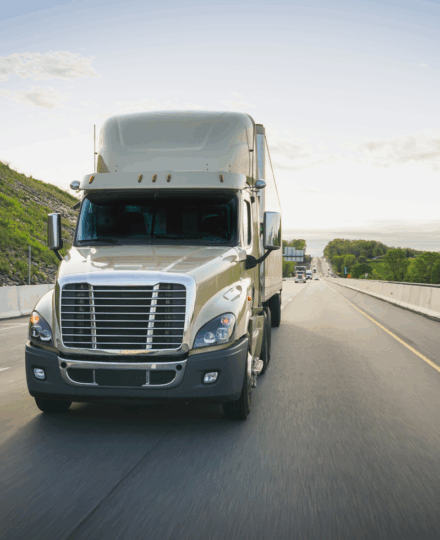
Commercial logistics management coordinates Full Truckload and Less-Than-Truckload freight choices to route business-to-business cargo securely along the Pacific Coast highway network. Shippers select specific trailer allocations based on total product volume, weight boundaries, and loading configuration requirements. Full Truckload freight from Canada to the United States ensures direct transit velocity by dedicating an entire 53-foot dry van or temperature-controlled reefer vehicle to a single commercial operation, eliminating intermediate cross-dock terminal stops.
Consolidated Less-Than-Truckload shipping structures provide line-haul space sharing for smaller commercial freight shipments meeting the strict minimum baseline of one pallet. Motor carriers apply standardized National Motor Freight Classification parameters to evaluate product density, handling complexities, and safety requirements before assigning transport rates. This density auditing process maintains line-haul cost predictability and protects corporate shippers from post-delivery billing revisions. Scheduled trailer departures accommodate predictable delivery windows to major commercial receiving hubs including Costco, Save-On-Foods, Walmart, Amazon, Loblaws, and Sobeys networks.
Customs Compliance and Border Clearance Protocols
Pre-clearance manifest frameworks and documentation standards for international trade lanes
Cross-border supply chain performance depends entirely on exact administrative alignment with federal border protection agencies. Land border clearance requires the formal presentation of an accurate commercial invoice detailing verified transactional value metrics, precise piece counts, and comprehensive Harmonized System product classification codes. Shippers engage a licensed customs broker to represent corporate interests and transmit digital declarations to federal inspection networks before the vehicle reaches the physical port of entry.
International truck transport lanes operate under unified regulatory security programs to manage transit speed at the border gates. United States and Canada trucking services use the Automated Commercial Environment platform to validate carrier identification profiles, customs broker entry data, and driver safety clearances. Simultaneously, the Pre-Arrival Processing System connects electronic manifests to individual cargo profiles via unique barcoded labels. This digital synchronization permits commercial vehicles to clear inspection checkpoints without terminal layout congestion, product rejections, or cargo detention surcharges.
Transpacific Intermodal Integration and Supply Chain Logistics
Staging, drayage, and transloading workflows for transcontinental freight distribution
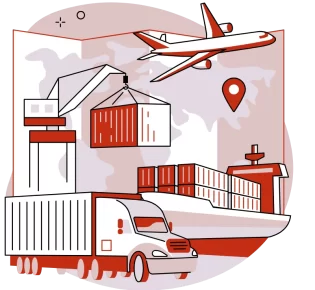
Global industrial distribution systems link transpacific ocean container shipping directly to North American overland transportation networks. Marine cargo originating from primary international manufacturing hubs enters regional Canadian container ports for rapid terminal evacuation. Specialized short-haul drayage fleets transport incoming ocean containers from terminal yards to regional transloading warehouses.
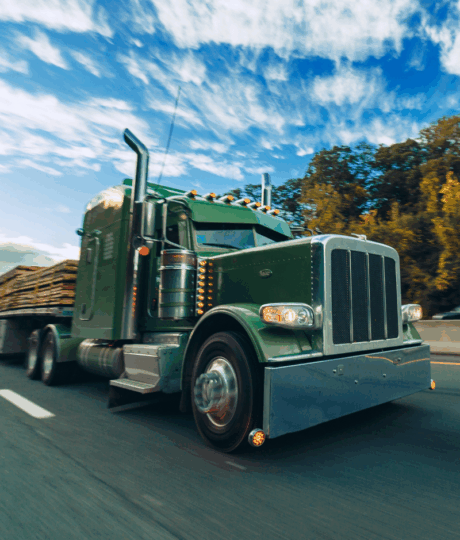
Transloading operations extract raw materials, manufactured components, and Canadian bulk freight from international shipping containers to transfer the inventory directly into domestic 53-foot dry vans or open flatbed trailers. This loading process supports transcontinental transport lanes, enabling continuous freight shipping to California and surrounding West Coast commercial zones. Integrated logistics software networks maintain real-time telematics oversight throughout the long-haul transit cycle, allowing supply chain managers to monitor border wait times and adjust line-haul scheduling to bypass regional congestion.