

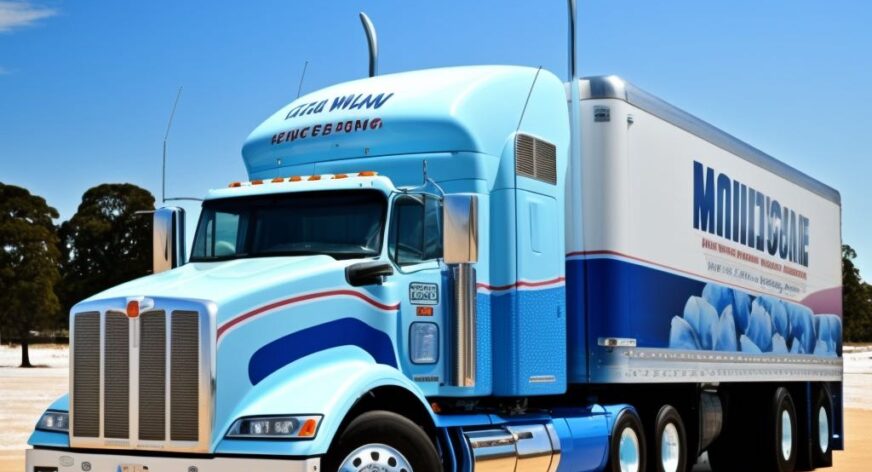
Temperature Controlled Freight Shipping Solutions
When you’re shipping perishables or temperature-sensitive goods, one wrong move can ruin an entire load. At Paige Logistics, we get it — every degree matters. That’s why our temperature-controlled freight solutions are built around one goal: protecting your cargo from origin to destination.
In this guide, you’ll discover:
- What temperature-controlled shipping is
- How it works
- The industries that rely on it
- Why Paige Logistics is a trusted partner for 1,000+ clients across North America
Let’s dive in.
The Ultimate Guide to Keeping Your Products Fresh and Safe
????️ What Is Temperature-Controlled Shipping?
Temperature-controlled shipping refers to freight transportation that maintains a specific temperature range to protect goods that are sensitive to heat, cold, or humidity.
This service is critical for:
Fresh food & produce
Pharmaceuticals
Cosmetics
Chemicals
Electronics
Specialty goods like wine or art
If your cargo must stay cold, frozen, or warm throughout the journey, you need refrigerated (reefer) or heated transport solutions — and not just any truck will do.
???? Why It Matters More Than Ever
Let’s face it — customer expectations are sky-high. Whether you’re shipping organic strawberries or biotech vaccines, a single degree deviation can mean product rejection, regulatory fines, or worse — lost customers.
That’s where we come in.
???? Our Expertise in Action: Paige Logistics’ Cold Chain Capabilities
At Paige Logistics, we’re not just another freight broker. We’ve managed over 5,000 temperature-controlled shipments across Canada and the U.S., and our clients range from emerging food brands to Fortune 500 retailers.
Here’s what makes our service different:
✅ Real-Time Temperature Monitoring
Your cargo is tracked from pickup to delivery with IoT-enabled sensors. Want updates? You get them — in real time.
✅ 24/7 Logistics Support
You’re never alone. Our in-house team monitors every shipment so you don’t have to.
✅ Custom Route Optimization
We minimize transit time and avoid extreme weather conditions that could compromise your load.
✅ Validated Carriers
We only work with FMCSA-certified carriers that pass our strict cold-chain compliance checks.
Case Study
A leading organic grocery chain needed to move frozen vegan meals from Vancouver to Houston — in a July heatwave. We delivered within 36 hours with zero temperature fluctuations. That’s cold-chain integrity.
???? Types of Temperature-Controlled Equipment We Use
Refrigerated Trucks (Reefers): Maintain temps between -20°C to +20°C
Heated Trailers: Prevent freezing during winter
Insulated Vans: For short-haul or partial-load shipments
Multi-Temp Units: Ideal for mixed-product loads with different temperature needs
Need help figuring out what you need? We’ll help you choose the right solution — fast.
???? Industries We Serve
We’ve built expertise across a range of sectors that demand zero-compromise logistics:
Food & Beverage: Produce, dairy, meats, frozen goods
Pharma & Healthcare: Vaccines, lab samples, clinical supplies
Chemicals: Solvents, coatings, temperature-sensitive compounds
Retail: Seasonal items, flowers, cosmetics
E-commerce: Meal kits, subscription boxes, and more
???? Why Shippers Trust Paige Logistics
Trust doesn’t come from fancy slogans. It comes from results.
Here’s why our clients stay with us:
98.6% on-time delivery rate
24/7 live customer support
In-depth carrier vetting process
Transparent pricing and tracking
4.9⭐ rating on freight marketplaces & client reviews
“Paige Logistics saved our business during the 2023 deep freeze. Their heated trucking service ensured our shipments stayed intact. That’s why we now use them exclusively.” — Samantha R., Director of Supply Chain, AgriCo Foods
???? Ready to Protect Your Cargo?
If your product depends on temperature, it deserves logistics built to protect it. Don’t risk using just any provider. Partner with a logistics team that understands cold chain complexities inside and out.
???? Get a Free Consultation Now
Let’s discuss your specific needs and get your freight moving — safely.
Understanding Temperature Controlled Shipping
Cold chain logistics refers to the process of transporting temperature-sensitive goods in a manner that ensures they stay within a specific temperature range throughout the supply chain. It’s critical for industries like pharmaceuticals, food, and chemicals, where temperature fluctuations can spoil products or compromise their effectiveness. Maintaining a cold chain helps preserve product quality and safety, from production to delivery. Cold chain logistics refers to the process of transporting and storing temperature-sensitive products, such as food, pharmaceuticals, or chemicals, in a controlled environment to maintain their quality and integrity. This logistics system relies on refrigerated shipping containers, reefer trucks, and specialized facilities to ensure consistent temperatures throughout the supply chain, often referred to as the “cold chain.
Refrigerated shipping, also known as “reefer shipping,” involves using specially equipped trucks, containers, or trailers with refrigeration units to maintain cool or frozen environments during transport. This system ensures that temperature-sensitive goods like perishable food or medicines remain at the desired temperature throughout the journey, reducing the risk of spoilage or contamination. Refrigerated shipping involves using trucks, containers, or other shipping solutions equipped with cooling systems, commonly called reefer trucks. These vehicles or containers are designed to keep the internal environment at a specific temperature to preserve perishable goods. Some refrigerated shipping solutions use dry ice or gel packs to maintain low temperatures for smaller shipments.
Temperature-sensitive freight includes any products that can spoil, degrade, or lose potency if exposed to improper temperatures. This category often includes fresh produce, pharmaceuticals, and certain chemicals. Managing this freight requires insulated packaging, temperature monitoring systems, and specialized handling to prevent exposure to fluctuating conditions.Temperature-sensitive freight includes perishable goods such as fresh produce, dairy, meat, seafood, flowers, and live plants. Pharmaceuticals, vaccines, and certain chemicals also require precise temperature control during transport to maintain their efficacy and safety.
Reefer trucks are refrigerated vehicles used to transport temperature-sensitive goods over long distances. They contain built-in cooling systems and insulation to regulate the temperature inside the cargo area. These trucks are essential for shipping items such as perishable foods, pharmaceuticals, and even certain types of electronics that need to stay cool during transit.
Dry ice shipping is used to maintain sub-zero temperatures for frozen goods. Dry ice, made of solidified carbon dioxide, can last longer than gel packs, making it ideal for long-distance or international shipments.Dry ice is used for shipping frozen goods, especially when maintaining sub-zero temperatures is required. It is commonly employed in situations where refrigerated trucks aren’t suitable, such as smaller shipments or air cargo. However, because dry ice is solid carbon dioxide, it’s classified as hazardous material when shipped by air, so regulations must be followed. However, it is classified as a hazardous material for air or sea transport and must follow specific safety guidelines.
Insulated packaging plays a critical role in maintaining the temperature of sensitive goods during transit. Materials like polyurethane foam or reflective barriers help prevent temperature fluctuations by creating a thermal buffer between the goods and the outside environment. This packaging is often used in conjunction with gel packs or dry ice for items that require extreme cold. Insulated packaging, like styrofoam containers or thermal blankets, helps to maintain the internal temperature of a shipment by providing a barrier against external temperature fluctuations. This is particularly useful for smaller or last-mile deliveries of temperature-sensitive goods.
Gel packs are reusable, biodegradable cooling agents that help maintain specific temperatures inside a shipping container or box. They are used to transport both refrigerated and frozen goods in temperature-sensitive shipping. Unlike dry ice, they are non-hazardous and are often employed in cold chain logistics for last-mile delivery or small-scale shipments.
The primary industries relying on temperature-controlled shipping include the food and beverage industry, pharmaceuticals, biotechnology, chemical manufacturing, and floriculture. Each of these sectors depends on strict temperature control to ensure product integrity and compliance with safety standards.
Real-time temperature monitoring systems provide visibility into the conditions of shipments throughout their journey. This technology helps track the internal temperature of refrigerated trucks or containers and ensures compliance with required temperature ranges, preventing spoilage or loss of product integrity. Monitoring is crucial for items like pharmaceuticals or perishable foods.
Ambient shipping refers to transporting goods at the prevailing outdoor temperature, with little or no active cooling involved. In contrast, refrigerated shipping actively regulates the temperature to ensure that the product is maintained within a specific range. Ambient shipping is generally used for non-perishable items, while refrigerated shipping is necessary for temperature-sensitive goods.
For temperature-sensitive goods, particularly in the food and pharmaceutical industries, strict regulations must be followed. The FDA (Food and Drug Administration) sets guidelines for handling and shipping perishable goods, requiring detailed documentation, proper storage conditions, and compliance with temperature thresholds. Similar regulations apply in other industries, especially when shipping across international borders.
There is a growing emphasis on sustainability in cold chain logistics. Eco-friendly practices such as using sustainable gel packs, biodegradable packaging, and energy-efficient cooling systems can significantly reduce environmental impact. Reducing fuel consumption, optimizing route planning, and using recyclable materials can help make cold chain operations more sustainable.
Last-mile delivery refers to the final stage of the shipment process, where the product is delivered from a transportation hub to its final destination, often a retail location or consumer’s home. In cold chain logistics, this step requires specialized handling to ensure that temperature-sensitive items, such as groceries or pharmaceuticals, remain within the required temperature range during delivery.
Temperature-controlled shipping is essential for the pharmaceutical industry because many drugs, particularly biologics and vaccines, are sensitive to temperature fluctuations. Maintaining the correct temperature ensures that the medication remains effective and safe for use. Stringent regulations and documentation are often required to comply with health and safety standards during pharmaceutical shipping.
Internet of Things (IoT) technologies enhance cold chain logistics by allowing real-time monitoring of shipment conditions. Sensors placed in refrigerated trucks or containers can provide real-time data on temperature, humidity, and other variables, ensuring immediate corrective actions can be taken if deviations occur. This technology is crucial for preventing spoilage and maintaining the integrity of sensitive products.
Frozen food delivery requires maintaining sub-zero temperatures to ensure the product remains frozen throughout its journey. In contrast, refrigerated shipping involves keeping products cool, but not necessarily frozen, within a specific temperature range. Both methods are part of cold chain logistics but serve different purposes based on the product’s needs.
For perishable goods transportation, various packaging solutions are used depending on the product’s needs. Common types include insulated boxes, styrofoam coolers, gel packs, and dry ice for frozen products. Specialized containers may also be used for large-scale shipments, especially in refrigerated trucks or containers.
Globalization has increased the complexity of cold chain logistics. With products often being shipped across continents, maintaining precise temperature control over long distances is more challenging. Compliance with international regulations, differing climates, and varying infrastructure require sophisticated solutions, such as real-time tracking and IoT integration, to ensure the integrity of goods.
Shipping temperature-sensitive hazardous materials, such as certain chemicals or medical specimens, requires compliance with specific safety standards. These materials often fall under FDA or DEA regulations, and shipping them requires specialized containers, documentation, and handling procedures. Reefer trucks and containers may be necessary to maintain both safety and temperature control.
The future of temperature-controlled shipping includes innovations such as autonomous vehicles, advanced data analytics, and AI-driven logistics management. These technologies aim to optimize route planning, enhance sustainability, and improve real-time monitoring of shipments. Biodegradable insulation materials and further advancements in IoT will likely play significant roles in making cold chain logistics more efficient and eco-friendly.