

A logistics plan is a critical aspect of any construction project, and requires careful planning and coordination to ensure success. This sample logistics plan provides an overview of the key considerations involved in managing the flow of materials and equipment to and from a construction site.
By implementing a well-designed logistics plan, construction projects can be completed efficiently, safely, and with minimal impact on the surrounding environment and community.
As a logistics management expert, I can provide you with a sample logistics plan that can serve as a guide or reference. However, please note that each construction project is unique and may require a customized logistics plan tailored to its specific requirements.
Project Overview:
The project is a new commercial building construction project, comprising a multi-story structure with an area of 50,000 square feet. The project site is located in an urban area, with limited space for material storage and transportation.
Objectives:
- To ensure the timely and efficient delivery of all materials and equipment required for the construction project.
- To minimize the impact of the construction process on the surrounding environment and community.
- To prioritize safety in all aspects of logistics for construction
Construction Logistics Plan
Procurement:
- Identify all materials and equipment required for the project
- Determine the required quantities and specifications for each item
- Select suppliers and manufacturers based on price, quality, and reliability
- Establish procurement schedules and delivery timelines
Transportation:
- Develop a transportation plan for all materials and equipment, including delivery routes and schedules
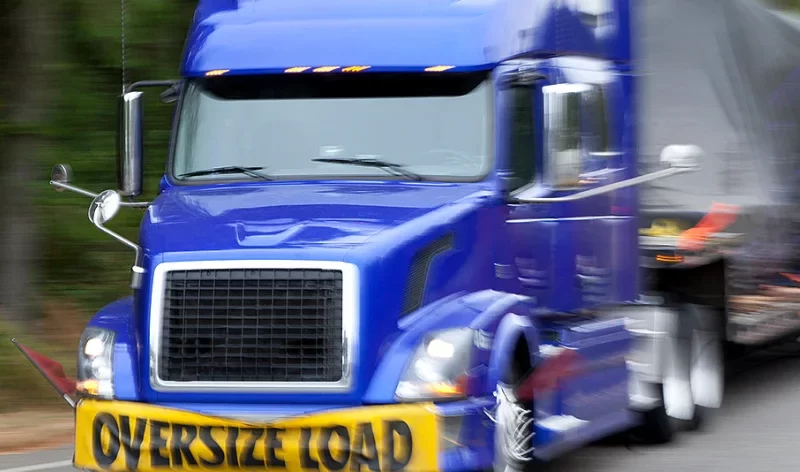
- Use specialized vehicles and equipment for the transportation of oversized or heavy items
- Coordinate with local authorities for the issuance of necessary permits and licenses
- Implement real-time tracking and monitoring technologies to ensure timely delivery
Storage:
- Identify suitable storage areas for all materials and equipment
- Ensure that storage areas are secure, well-ventilated, and protected from the elements
- Use specialized storage solutions for sensitive or hazardous materials
- Implement inventory management systems to track materials and equipment stored on site
Distribution:
- Develop a distribution plan for the delivery of materials and equipment to the construction site
- Coordinate with contractors and subcontractors to ensure that materials and equipment are delivered to the right location at the right time
- Implement a system for the disposal of waste and debris, in compliance with local regulations
Safety:
- Develop a safety plan
- Provide training and equipment to workers involved in the movement of materials and equipment
- Implement safety measures to protect workers and bystanders from potential hazards
- Regularly review and update the safety plan to ensure compliance with industry standards and regulations
Sustainability:
- Develop a sustainability plan to minimize the environmental impact of the construction process
- Use sustainable materials and technologies, where possible
- Optimize transportation routes to minimize fuel consumption and emissions
- Implement waste reduction and recycling programs to minimize waste generated by the construction process
Construction Logistics BC Canada: Streamlined Solutions for Your Building Needs
Construction logistics is the backbone of successful building projects. From transporting heavy equipment to delivering materials on time, efficient logistics ensures smooth operations. In this guide, we’ll explore affordable, reliable, and specialized construction logistics services available in BC, Canada, tailored to meet the demands of modern construction projects.
Affordable Construction Logistics BC
For construction companies, affordability is essential. Affordable construction logistics BC services provide cost-effective solutions without compromising on quality. Whether it’s aggregate delivery for construction or budget-friendly building materials transport, local providers ensure your project stays within budget.
Efficient Building Site Logistics BC
Efficient site logistics management BC services are designed to optimize the flow of materials and equipment. From just-in-time logistics for construction to flexible building site logistics BC, these solutions minimize delays and ensure your site operates smoothly. Key services include:
- Door-to-site logistics services BC
- Freight logistics for construction sites BC
- Reliable construction logistics services BC
FAQ: Developing a Construction Logistics Plan
A construction logistics plan is a strategic approach used to manage the flow of materials and equipment to and from a construction site. It plays a critical role in ensuring project efficiency, maintaining safety standards, and minimizing environmental and community impact.
Logistics planning ensures that materials and equipment arrive on time, improves on-site safety, and reduces disruptions to surrounding communities and the environment. Proper planning helps prevent delays and cost overruns.
The primary objectives are timely and efficient delivery of materials and equipment, minimizing environmental and community impact, and prioritizing safety across all logistics operations.
A procurement plan includes identifying required materials and equipment, defining quantities and specifications, selecting suppliers, and setting procurement schedules and delivery timelines.
Transportation planning involves designing delivery routes and schedules, using specialized vehicles for oversized or heavy items, coordinating permits with local authorities, and leveraging tracking technologies to monitor deliveries.
Storage planning includes securing suitable storage areas, protecting materials from weather exposure, using specialized storage for hazardous items, and implementing inventory management systems to track usage.
Distribution management focuses on scheduling deliveries to the correct on-site locations, coordinating with contractors and crews, and ensuring waste and debris are handled and disposed of in compliance with regulations.
Safety measures include worker training, use of proper equipment, clear safety procedures, regular reviews, and controls designed to protect workers, visitors, and the surrounding public.
Sustainability is addressed by using eco-friendly materials, optimizing transportation to reduce emissions, and implementing recycling and waste reduction programs throughout the project lifecycle.
In BC, Canada, construction logistics services include aggregate and material delivery, just-in-time logistics, door-to-site freight delivery, and customized solutions designed to support modern construction projects efficiently and reliably.