
Breakbulk Shipping to Canada
When you think about shipping today, images of endless container stacks might come to mind.
But there’s a whole other world of cargo transport that’s critical,
, and almost invisible in its simplicity: breakbulk shipping.
Especially when it comes to moving unique, oversized, or heavy goods, break bulk is the unsung hero, keeping our world running by handling the shipments containers just can’t handle.
The Demand for Breakbulk Services in Canada
Break bulk cargo shipping is gaining traction in Canada and the USA as industries grow, evolve, and diversify.
This method of shipping is tailor-made for industries that need to move large or unwieldy items—think machinery transport, steel beams, or massive industrial equipment.
Companies are increasingly searching for breakbulk shipping services in Canada to handle these specialty goods, and with ports equipped to handle these types of loads, it’s an attractive option.
But when shipping from China to Canada why choose break bulk over container shipping?
Break bulk cargo carriers are specialists. They can navigate the complexities of shipping pieces that are, quite literally, larger than life.
And while it’s true that containerized shipping is efficient for standard loads, the break bulk approach excels at adaptability—handling what doesn’t fit the mold.
The Hidden Gateways of Industry: Canada’s Ports of Entry
Every economy needs arteries, channels through which its lifeblood—goods, resources, machinery—flows.
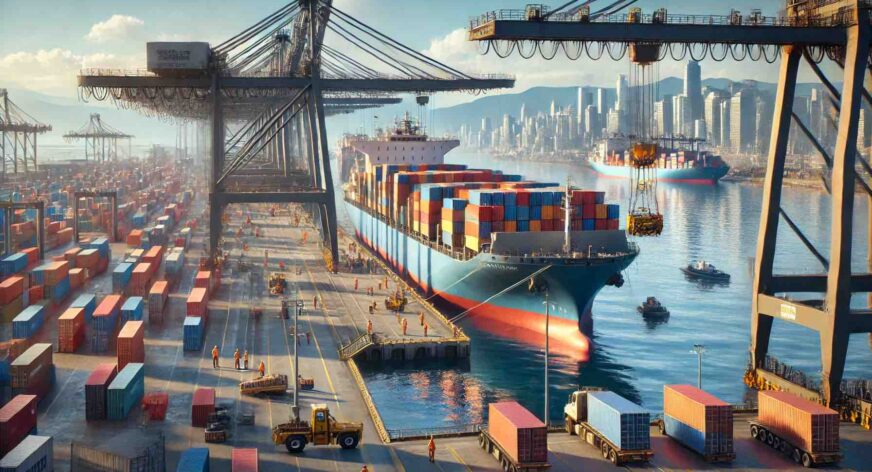
In Canada, ports like Vancouver play this role with a quiet brilliance.
They don’t just receive shipments; they transform the possibilities of what can be transported.
Especially in breakbulk shipping, where oversized, unconventional cargo defies standardization, these ports become indispensable.
A Hub for the Extraordinary
Imagine a wind turbine blade, too long and unwieldy to fit neatly into a container. For cargo like this, traditional methods fall short. That’s where breakbulk ports like Vancouver step in, equipped with cranes capable of lifting what others can’t.
These are not mere drop-off points; they are sophisticated gateways for industrial innovation. Goods arrive, are meticulously handled, and then set off toward their destinations, fueling growth and progress.
The Price of Precision
Transporting breakbulk cargo is not a budget-friendly endeavor. Rates, naturally higher than container shipping, reflect the additional labor, specialized equipment, and precision required.
Yet for industries dependent on moving massive, valuable components—think construction, energy, or manufacturing—costs become less a burden and more an investment in reliability.
For businesses, the calculus is straightforward: secure transport for irreplaceable cargo outweighs the expense.
Shippers scour the market for competitive freight options, balancing financial prudence with the necessity of flawless delivery.
The Tightrope of Regulation
Cross-border logistics carries challenges far beyond simple transport. For breakbulk shipments, regulations are often labyrinthine, especially when oversized or hazardous materials are involved.
Canadian standards, coupled with broader North American requirements, demand careful navigation.
Success here isn’t just about paperwork; it’s about expertise. Carriers with intimate knowledge of compliance rules provide not just service but peace of mind.
Logistics companies step into this breach, acting as guides through a complex regulatory landscape, ensuring shipments move smoothly from origin to destination.
The Essential Role of Partnerships
A business shipping turbine components, industrial machinery, or delicate infrastructure materials doesn’t just need a freight carrier—it needs an ally.
Specialized shipping partners bring more than trucks and ships; they bring an understanding of the intricacies of regulations, a command of local port capabilities, and a network of resources designed to solve problems before they arise.
In breakbulk shipping, success lies in these partnerships. Expertise isn’t an add-on; it’s the cornerstone of moving oversized cargo safely and efficiently.
Breaking the Mold
Canada’s breakbulk ports are not merely logistical hubs. They represent the point where engineering meets transportation, where oversized dreams are carried forward.
Every shipment tells a story—not just of goods in transit but of innovation reaching its final destination. In these spaces, possibilities grow, economies expand, and industries thrive.
Breakbulk shipping may not dominate headlines, but its impact reverberates through every turbine blade erected, every factory powered, and every structure built.
The work may be unseen, but its effects are monumental. In the end, it’s not just cargo that’s being transported; it’s progress.
Charting a Path: Routes and Choices in Shipping
Every shipment begins with a decision, and that decision shapes its entire journey. Choosing effective routes for shipping between Canada and the USA is more than a logistical step—it’s a strategic calculation. The wrong choice can mean delays, inefficiencies, or unexpected costs. The right one, however, transforms a complex journey into a seamless process.
Mapping the Most Efficient Path
Routing isn’t simply about speed. It involves reducing risks, avoiding unnecessary stops, and ensuring minimal handling of goods. A shipment that traverses Canada’s rugged terrain or North America’s vast shipping network must be guided by a deep understanding of these interconnected lanes. Even the largest, most unwieldy cargo can travel smoothly when routed with precision.
Safeguarding Cargo: Insurance for Breakbulk Shipping Companies
No journey is without risks. Insurance, especially for break bulk cargo, isn’t merely an added expense—it’s a vital safeguard. Shipments face challenges at every stage, from unpredictable weather to handling errors. Policies tailored for break bulk transport in Canada and the USA provide reassurance, protecting the financial and operational integrity of businesses. Peace of mind accompanies every insured shipment, ensuring even the most valuable goods are covered against unforeseen events.
Anticipating Shifts: Trends in Freight and Logistics
The shipping landscape is changing. Transparency, eco-conscious practices, and tailored services are shaping the demands of North American industries. Break bulk, once a utilitarian necessity, is now viewed as a strategic asset within supply chains. Businesses increasingly expect solutions that align with sustainability goals while maintaining security and efficiency.
In 2024, freight providers are adapting to new challenges, offering specialized services that address the complexities of oversized shipments. Staying informed about these shifts allows businesses to remain competitive and responsive in a dynamic marketplace.
Break Bulk’s Role in Canadian Trade
Handling break bulk cargo shipping is more than moving oversized goods—it’s about facilitating industrial growth. The ports of Canada, from Vancouver to Halifax, act as pivotal points in this process. Strategic partnerships with carriers capable of navigating these waters ensure not just delivery, but opportunity.
Decoding Break Bulk: Methods and Approaches
Break bulk shipping encompasses an array of methods, each tailored to unique challenges. From wheeled vehicles to massive industrial components, these approaches ensure specialized cargo moves safely and efficiently.
Roll-On/Roll-Off (Ro-Ro)
Picture a ship where vehicles and machinery simply roll aboard. Ro-Ro reduces handling, minimizing the need for cranes. Trucks, construction equipment, and heavy machinery benefit from this streamlined approach, ideal for wheeled cargo.
Lift-On/Lift-Off (Lo-Lo)
For cargo lacking wheels, Lo-Lo shipping employs cranes to load and unload. Items like steel beams or prefabricated structures demand precision handling. Skilled operators and robust equipment ensure safety during these delicate maneuvers.
Containerized Break Bulk
Some oversized items can be disassembled to fit into specialized containers. This hybrid method merges the benefits of containerization with the adaptability of break bulk. Machinery parts placed in open-top or flat-rack containers exemplify this flexible solution.
Bulk Cargo in Bags or Drums
Certain goods, such as grains or chemicals, resist traditional packing methods. Large bags or barrels house these materials, enabling efficient, organized transport without containerization.
Project Cargo
Massive industrial endeavors require shipments tailored to unique timelines and specifications. Project cargo integrates multiple types of oversized freight, often coordinated months in advance to meet exacting requirements.
Heavy-Lift Cargo
The heaviest, bulkiest cargo—think turbines or industrial transformers—demands specialized ships equipped with powerful onboard cranes. This method focuses on precision and safety, ensuring that even the most colossal items reach their destination intact.
Flat Rack Shipping
Flat racks provide an adaptable platform for goods too large for standard containers. Machinery or industrial equipment is secured on these open-sided structures, striking a balance between protection and accessibility.
Palletized Break Bulk
When dealing with irregularly shaped goods too small for standard break bulk methods, palletization offers structure. Items stacked on pallets streamline loading and unloading, increasing efficiency for mixed cargo shipments.
A New Era of Freight Management
Break bulk shipping is no longer simply about transporting goods—it’s about creating solutions. Each method addresses specific challenges, ensuring that oversized, irregular, or delicate cargo moves safely across the world’s most complex shipping routes.
Canada’s role as a hub for break bulk freight highlights the evolving nature of global trade. From the rugged terrains of British Columbia to the interconnected lanes of North America, every journey reflects innovation, strategy, and a commitment to seamless delivery. In this intricate web, every decision counts, and the right choices transform challenges into opportunities.
Frequently Asked Questions about Breakbulk Shipping to Canada
Breakbulk shipping is a method of transporting oversized, heavy, or uniquely shaped cargo that cannot fit into standard shipping containers. It involves moving goods like industrial machinery, steel beams, and wind turbine components using specialized handling methods.
Breakbulk shipping plays a critical role in Canada’s industrial growth, especially for sectors like construction, energy, and manufacturing. Ports such as Vancouver handle oversized cargo that standard containers can’t, making them essential for moving specialized goods.
Breakbulk shipping is ideal for goods that are too large or irregular for containers. Carriers specialize in handling complex, non-standard shipments with the equipment and expertise needed to ensure safe delivery.
Industries such as construction, manufacturing, and energy frequently depend on breakbulk services to move heavy or uniquely shaped items like turbines, transformers, and industrial components.
Common methods include Roll-On/Roll-Off (Ro-Ro), Lift-On/Lift-Off (Lo-Lo), palletized breakbulk, flat rack shipping, heavy-lift cargo, and project cargo. Each method is chosen based on the type, size, and handling needs of the goods.
Major ports like Vancouver are well-equipped to handle breakbulk cargo. These ports have cranes and facilities designed to manage the loading and unloading of heavy or irregular shipments.
Yes, breakbulk shipping tends to be more costly due to the need for specialized labor, equipment, and handling procedures. However, for certain cargo, it’s the only viable option, making the higher cost a strategic investment.
Shipping oversized or hazardous breakbulk cargo requires compliance with Canadian and North American regulations. These include safety standards, customs procedures, and environmental guidelines.
They offer expertise in navigating regulations, selecting optimal routes, and ensuring proper handling at ports. These partnerships are crucial for managing risks and delivering shipments on time.
Yes, due to the high value and complexity of the cargo, insurance is essential. It protects against risks like weather, handling damage, and unforeseen delays.
Effective routing focuses on minimizing handling, avoiding delays, and navigating terrain efficiently. It requires deep knowledge of shipping networks and coordination between carriers and ports.