

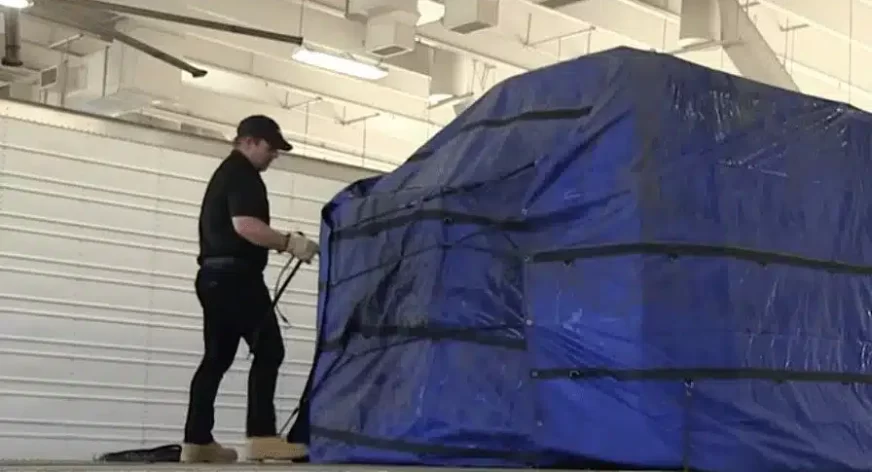
Understanding Flatbed Tarp Basics
Transporting cargo on flatbed trailers is a common practice in the logistics industry.
However, ensuring the safety and security of the load during transit is of paramount importance. One crucial aspect of flatbed load transportation is proper tarping a flatbed trailer.
In this article, we will explore the best practices and techniques for flatbed load covering, mastering tarp for any flatbed trailer type, flatbed tarps how to tarp and ensuring secure transportation for your loads.
Before diving into the intricacies of flat deck tarping techniques for your trucking service it is essential to grasp the fundamentals. Flatbed truck tarps are heavy-duty covers used to protect cargo from various external factors such as weather, debris, and theft.
They come in different types, including vinyl, canvas, and mesh, each with its unique advantages. To ensure compliance and safety, it is crucial to be aware of tarping regulations and industry standards that govern flatbed load transportation.
Best Practices for Tarping Flatbed Cargo
Mastering the Art of Tarping a Flatbed Trailer in British Columbia
In the dynamic world of flatbed trucking in BC, ensuring your cargo remains secure and protected during transit is paramount. Proper tarping not only safeguards your load from environmental factors but also ensures compliance with safety regulations.
Whether you’re involved in heavy machinery flatbed trucking in BC or construction material flatbed transport, mastering tarping techniques is essential.
Understanding the Importance of Tarping
Tarping serves multiple purposes:
- Protection from Elements: Shielding cargo from rain, snow, and UV rays is crucial, especially in regions like Northern BC, where weather conditions can be unpredictable.
- Safety Compliance: Properly secured tarps prevent debris from dislodging during transit, ensuring the safety of other road users.
- Cargo Integrity: For industries relying on industrial equipment flatbed transport in BC, maintaining the integrity of the load is vital to prevent damage and associated costs.
Step-by-Step Guide to Tarping a Flatbed Trailer
- Preparation
- Inspect the Cargo: Before tarping, ensure that the load is evenly distributed and securely fastened using appropriate tie-downs. This is particularly important for oversized load flatbed shipping in BC.
- Choose the Right Tarp: Select a tarp suitable for your cargo type. For instance, heavy machinery may require more durable tarps compared to palletized goods flatbed transport in BC.
- Positioning the Tarp
- Unfold the Tarp: Lay the tarp flat on the ground to identify its orientation.
- Placement: Starting from the rear, pull the tarp over the cargo towards the front, ensuring it covers all sides adequately.
- Securing the Tarp
- Fasten the Edges: Use bungee cords, straps, or ropes to secure the tarp’s edges to the trailer. Ensure that the tarp is taut to prevent flapping during transit.
- Check for Gaps: Ensure there are no exposed areas, especially when dealing with temperature-sensitive flatbed transport in BC.
- Final Inspection
- Walk Around: Conduct a thorough inspection around the trailer to ensure the tarp is securely fastened and there are no loose ends.
- Adjust as Necessary: Make any necessary adjustments to ensure optimal protection and compliance with safety standards.
Safety Tips
- Use Personal Protective Equipment (PPE): Always wear gloves and safety glasses during the tarping process to prevent injuries.
- Be Cautious in Adverse Weather: Exercise extra caution when tarping in windy or wet conditions to prevent accidents.
Proper tarping is an indispensable skill in the flatbed trucking industry in British Columbia. Whether you’re engaged in bulk cargo flatbed shipping or expedited flatbed freight services, ensuring your cargo is well-protected enhances safety, compliance, and customer satisfaction.
By following the steps outlined above, you can master the art of tarping and ensure your loads arrive safely at their destinations.
Pre-Tarping Preparations and Safety Measures
To ensure optimal load security and protection, follow these best practices before tarping:
- Secure the load using appropriate tie-downs, straps, and chains.
- Wear personal protective equipment (PPE), such as gloves and safety glasses, to ensure safety during tarping operations.
Tarping Techniques for Flatbed Loads
Step-by-Step Guide to Effective Flatbed Tarping Techniques
- Positioning and Centering the Tarp: Start by centering the tarp over the load to ensure even tension distribution and reduce the risk of tears or damage.
- Securing the Tarp: Use fasteners like bungee cords, ropes, or straps to attach the tarp to the trailer, creating sufficient tension to prevent flapping or shifting during transit.
- Ensuring a Tight Fit: Pay close attention to the tarp’s edges and corners to ensure they are tightly secured, preventing water infiltration and cargo damage.
Weatherproof Tarps for Flatbed Trailers
To combat adverse weather conditions, use waterproof and UV-resistant tarps. Techniques such as installing bow systems or using tarp tensioners can help prevent water pooling and maintain the tarp’s integrity.
Specialized Tarping Methods for Different Types of Loads
Some loads require unique tarping techniques:
- Oversized and Irregularly Shaped Loads: Use custom tarps or systems designed for oversized or irregularly shaped cargo to ensure a snug fit and adequate protection.
- Construction Materials and Equipment: For heavy machinery, building materials, or scaffolding, use reinforced tarps and additional securing mechanisms like ratchet straps and edge protectors.
- Agricultural and Perishable Goods: Use breathable tarps or specialized covers that allow air circulation while protecting agricultural products or perishable goods.
Essential Tarp Equipment and Accessories
Investing in the right tarps and accessories can enhance load security and streamline operations:
- Tarping Systems and Mechanisms: Consider side curtain systems or roll-up tarps for efficient and hassle-free solutions, which also save time during loading and unloading.
- Tarp Materials: Choose tarp materials based on load requirements. Vinyl tarps are durable and weather-resistant, while mesh tarps are lightweight and ventilated for certain cargo types.
Safety and Compliance in Tarping Operations
Safety is paramount in tarping operations. Follow these guidelines:
- Safety Guidelines and Precautions: Train personnel on safety procedures and the proper use of equipment. Emphasize the importance of PPE, such as gloves, safety glasses, and non-slip footwear.
- Compliance with Regulations: Be aware of regional or national tarping regulations, including height and weight restrictions for oversized loads and necessary permits for certain types of cargo.
Troubleshooting Common Flatbed Tarping System Challenges
Even with proper techniques, challenges may arise. Here are common issues and solutions:
- Tarp Tears or Damaged Fasteners: Regularly inspect and maintain tarps and fasteners, replacing or repairing them promptly.
- Tarp Flapping or Poor Fit: Ensure adequate tension and proper tarp placement to prevent flapping or sagging.
Mastering tarping techniques is crucial for the secure transport of flatbed loads. By adhering to best practices, investing in the right equipment, and prioritizing safety, you can enhance load security, protect cargo, and comply with industry regulations. These efforts will contribute to the overall efficiency and success of your flatbed load trucking operations.